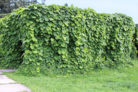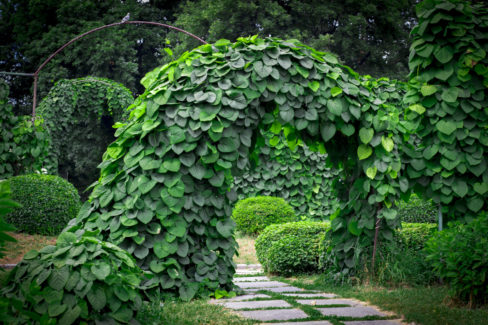
Dutchman’s Pipe is basically programmed for a long life. In fact, a single plant can easily live through fifty winters! Because of its massive height and impressive spread, this climber has to stay outdoors year-round. Since our winters can get pretty nasty for months at a time, you’re probably wondering: does it actually have the “winter muscles” to handle the cold?
Dutchman’s Pipe is one tough cookie
This climbing vine is native to the forests of North America, so it’s used to experiencing all four seasons up close and personal. It’s a hardy plant that’s well-adapted to changing weather and fluctuating temperatures. If you’ve got a Dutchman’s Pipe planted in the ground, it’s absolutely winter-hardy.
When picking a spot, try to find somewhere sheltered from the wind. This isn’t necessarily for the cold, but to protect the vines from snapping during heavy storms. Those vines can reach up to 30 feet long, but they stay relatively thin and can be a bit fragile.
Quick Tip:
Make sure to plant your Dutchman’s Pipe right next to a trellis or support so it can start winding its way up immediately. You might need to give it a little guidance at first!
The plant goes dormant in the fall
Around November, the Dutchman’s Pipe will drop its leaves. It actually handles the freezing weather much better with bare vines. You don’t need to worry about providing any special winter protection for established plants—they don’t need it. New leaves won’t pop up until May, which is usually well after the danger of frost has passed.
Potted plants need a little extra love
Since Dutchman’s Pipe handles pruning like a champ, you can definitely grow it in a large container—it makes a fantastic privacy screen for a patio! However, winter hardiness is a different story when it’s in a pot. Frost can penetrate the walls of a container much easier than the deep ground, reaching the roots. If you want to see those beautiful leaves again next year, don’t leave your potted vine to fend for itself.
In milder regions or during a light winter, the plant might be fine, but to play it safe, I recommend these steps:
- Move it to a spot protected from the wind.
- Place it against a house wall or next to a thick hedge.
- Set the pot on a piece of insulating Styrofoam or wood.
- Wrap the pot in burlap or garden fleece.
- The vines themselves don’t need to be wrapped.
Don’t forget to water in the winter!
While the plant shrugs off the cold, bone-dry soil is a real threat. Whether your Dutchman’s Pipe is in a garden bed or a pot, it needs a drink throughout the winter—but only on days when the ground isn’t frozen. Keep a close eye on it after long dry spells without snow or after particularly windy days; that’s when you’ll definitely need to grab the watering can.
Wait to transplant young plants
It’s actually pretty easy to propagate Dutchman’s Pipe at home using seeds or cuttings. Just a heads-up: don’t transplant those youngsters into the garden until May. Their winter hardiness hasn’t fully kicked in yet, so they need that extra bit of warmth to get established.