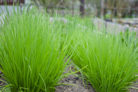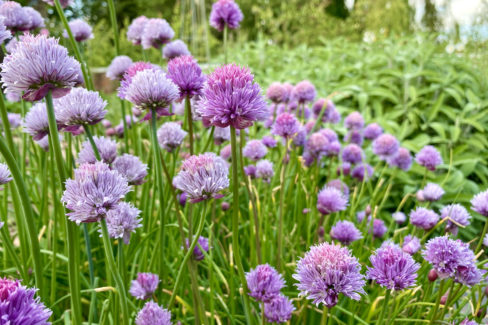
Chives are a total garden staple, and the best part? They’re hardy perennials. That means they can stay in the exact same spot year after year without needing to be moved. With just a little bit of TLC, your chives will be your kitchen companion for a long, long time.
How long do chives actually live?
Chives definitely earn their “perennial” title. While many of our favorite kitchen herbs only last a season or two, chives are in it for the long haul. With good care, they can easily live for 20 years or more! And honestly, they need way less attention than you might think.
How to keep your chives happy for years to come
To make sure your chives (which can grow up to 20 inches tall!) thrive in your garden, keep these simple maintenance tips in mind:
- Give them enough water
- Trim them back regularly
- Use the right fertilizer
- Rejuvenate them by dividing the clumps
Watering Tips
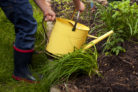
Chives love soil that stays consistently moist. Their water needs depend a lot on whether they’re in the ground or in a pot. If they’re in your garden bed, you usually only need to water them during dry spells. However, potted chives dry out faster and need a regular drink. Good old tap water works just fine!
Pruning and Winter Prep
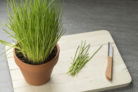
To help your chives overwinter like a pro, cut them back to about an inch above the ground in the fall. To protect the roots through the cold months, cover the trimmed area with a layer of:
- Mulch
- Brush or twigs
- Leaves
- Straw
Don’t let those last green stalks go to waste! You can freeze them to keep them fresh for winter cooking.
Feeding Your Plants
A steady supply of nutrients is essential for long-lived chives. The longer they stay in the same spot, the more important feeding becomes. Stick to organic fertilizers to keep things natural. Just remember: potted chives generally need to be fertilized more often than those planted directly in the garden.
Rejuvenation through Division
Dividing your plants isn’t just a great way to propagate more chives for your friends; it actually rejuvenates the parent plant. The best time to do this is in the fall after you’ve done your end-of-season pruning.