Unlike many other herbs that are happy to just “do their thing” with minimal help, chives are actually pretty hungry plants! They have a high nutrient requirement and need a regular feeding schedule to stay lush and flavorful. How often you need to fertilize really depends on the type of food you’re using and where your chives are growing. Here’s the lowdown on how to do it right.
What’s the Best Fertilizer for Chives?
If you want to keep your garden eco-friendly (which I always recommend!), it’s best to skip the harsh chemicals. This is especially important for herbs you plan on eating—and since we usually toss chives raw onto baked potatoes or into salads, you definitely don’t want any “chemical cocktails” on them. Luckily, there are plenty of natural, organic options that chives absolutely love:
- Well-aged compost
- Well-rotted manure
- Horn meal or blood meal
- Organic liquid fertilizers designed for herbs or veggies
A quick tip if you’re using manure: be careful with poultry droppings (like chicken or pigeon manure). They are super high in nitrogen, which can be a bit much for chives if you overdo it. The same goes for liquid organic fertilizers—moderation is key!
Can You Use Kitchen Scraps?
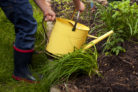
You bet! There are some great DIY options right in your kitchen. Chives are big fans of calcium, so don’t toss those eggshells! Instead, crush them up into a fine powder and mix them into your watering can. It’s a fantastic way to recycle and feed your plants at the same time.
Coffee grounds are another popular garden hack, but use them sparingly here. Chives aren’t big fans of acidic soil, and coffee grounds can lower the pH over time. A little bit is fine, but don’t go overboard.
?– When Should You Fertilize?
The “when” and “how often” depends mostly on your location and the type of fertilizer you choose. If you’re growing chives in a pot and repot them every year with fresh potting soil, they might not need any extra fertilizer at all. However, if they stay in the same container all season, give them a little boost of liquid fertilizer about every four weeks during the growing season.
For chives in the ground, work some compost, manure, or horn meal into the soil in early spring as they start to wake up. If your perennial chives have been in the same spot for a few years, they’ll appreciate a second “snack” of organic liquid fertilizer mid-summer to keep them going strong.