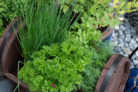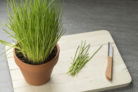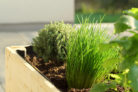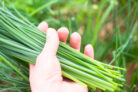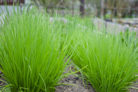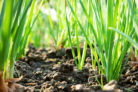
Chives are so low-maintenance that they’re basically the perfect starter herb for your balcony garden. As long as you give them the right spot and a little TLC, this kitchen staple will keep your recipes fresh and your patio looking green for years to come.
What’s the Best Spot for Balcony Chives?
Even in a container, chives are perennials, meaning they’ll come back year after year. You can harvest them almost year-round as long as their location hits these marks:
- Partial shade to full sun
- Loose, well-draining soil
- A pot with plenty of room to grow
- Drainage holes (this is a must!)
The great thing about chives is that they’re not too picky—they’ll even grow in the shade, making them a win for north-facing balconies. Just be careful with scorching, all-day sun in the dead of summer; if it gets too intense, your chives might dry out, so a little afternoon shade can be a lifesaver.
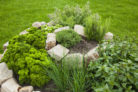
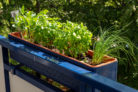
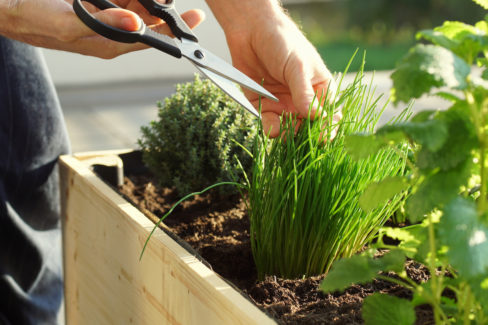
Pro tip: Those little herb pots from the grocery store are way too cramped. To keep your plant happy, move it into a larger pot with fresh potting mix or specialized herb soil. If you’re planning a communal herb planter, chives play well with these neighbors:
- Winter savory
- Dill
- Tarragon
- Oregano
- Sage
How Do I Care for My Balcony Chives?
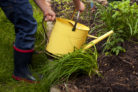
Chives like their soil like a wrung-out sponge: consistently moist but never soggy. Standing water is the enemy here—it rots the roots and attracts those annoying fungus gnats. If you’re keeping your chives in the same pot long-term, they’ll need a little boost during the growing season. Feed them some liquid herb or vegetable fertilizer about every four weeks.
Can Chives Stay Outside in the Winter?
Even though chives are hardy enough to survive the cold, container plants need a little extra protection from the frost. In late fall, trim the stalks down to about an inch, cover the soil with some brush or mulch, and wrap the pot in garden fleece or an old burlap sack to insulate the roots.
If you can’t live without fresh herbs during the winter, just bring the pot inside to a sunny windowsill or preserve your harvest by freezing it!