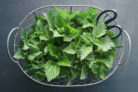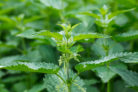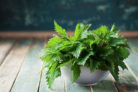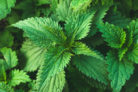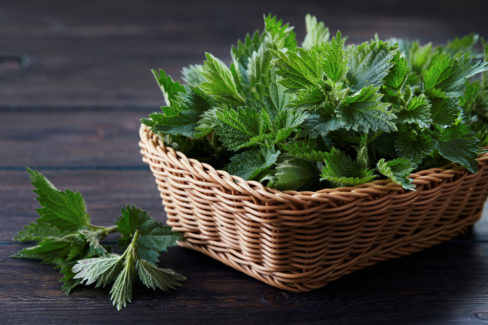
For most home gardeners, stinging nettles are a total nuisance that they want out of their yard as fast as possible. I get it—nobody likes that painful, itchy sting you get when you accidentally brush up against one! But believe it or not, the stinging nettle is actually a powerhouse in the kitchen and a fantastic medicinal herb. It’s definitely worth harvesting, and some folks even grow it on purpose.
Where to Find Stinging Nettles
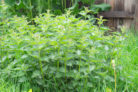
Since nettles spread like wildfire and can be hard to control, you won’t see them in many organized garden beds. The good news? You can find them growing wild just about everywhere. Look for them along the edges of forests, near riverbanks or ponds, and in open meadows. They are what we call indicator plants, meaning if you see them, you know the soil is incredibly rich in nutrients.
The Best Time to Harvest
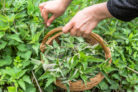
There isn’t one single “perfect” harvest window for nettles. They are at their peak from April all the way through September, but you can honestly keep harvesting them right up until November. If you’re looking for flowers, you’ll find those between July and September, and by October, those flowers turn into ripe seeds.
Harvest with Caution
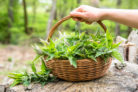
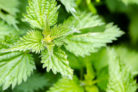
Picking nettles is a delicate business. Most of us probably remember getting those painful, burning welts as kids. That’s caused by the formic acid and silica found in the tiny hairs on the leaves. To avoid the sting, make sure you’re fully covered—long sleeves and pants are a must—and definitely wear a pair of thick gardening gloves.
How to Use Your Nettles
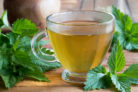
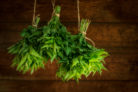
The leaves are the star of the show here. When you cook them, they have a lovely earthy flavor that’s very similar to spinach. They’re great as a soup garnish or a side dish. You can also dry the leaves to brew a healthy tea later on. Nettle tea is a classic natural remedy known for helping with:
- Rheumatism
- Joint pain
- Urinary tract infections