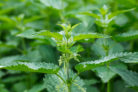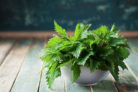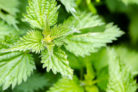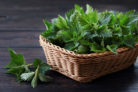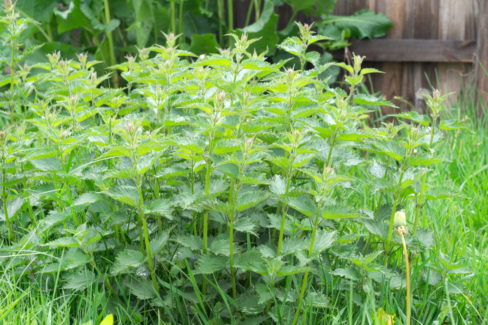
If you spot stinging nettles popping up in your yard, your first instinct might be to panic—especially if you’ve got little ones running around. We all know that “sting” is no joke! Getting rid of them can feel like a real workout, too, since you have to tackle those stubborn roots along with the leafy tops. But before you get too frustrated, I’ve got some good news: nettles are actually a great sign for your garden’s health.
A Sign of Nitrogen-Rich Soil
The silver lining to a nettle patch is that it tells you exactly where the “sweet spots” are in your garden. These plants are what we call “indicator plants.” They absolutely crave nitrogen to grow, so if they’re thriving, it means your soil is packed with nutrients.
The Perfect Spot for Your Veggie Garden
Many of the most popular vegetables we love to grow are “heavy feeders,” meaning they need a ton of nitrogen and nutrients to produce a great harvest. Once you’ve successfully cleared out the nettles, that exact spot is prime real estate for your veggie patch. Some plants that will absolutely love that nitrogen-rich soil include:
- Tomatoes
- Peppers
- Berries (like blueberries and raspberries)
- All kinds of cabbage and kale
- Squash (including cucumbers and zucchini)
Plenty of Humus and Moisture
Nettles don’t just point to nitrogen; they also love soil that is rich in organic matter (humus) and stays consistently moist. By paying attention to where the nettles grow, you’re essentially getting a free soil test that tells you where your ground is fertile and well-hydrated.
Where Not to Plant “Light Feeders”
On the flip side, knowing where the nettles were helps you avoid some gardening mishaps. Not every plant likes that much “fuel” in the soil. “Light feeders” can actually struggle if the nitrogen levels are too high. You’ll want to keep your strawberries, peas, and beans away from former nettle patches, as they prefer much leaner soil to really thrive.