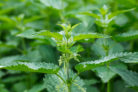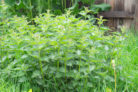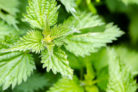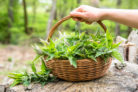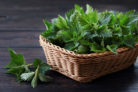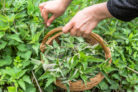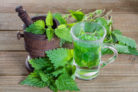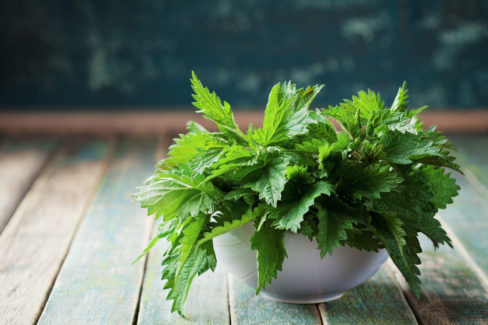
When you think about starting a new garden bed, stinging nettle probably isn’t the first plant that pops into your head. Let’s be real: most of us associate it with those itchy, painful welts you get after an accidental brush-in while hiking. Plus, since it grows like crazy in the wild, most people don’t think twice about planting it. However, there are actually some fantastic reasons to give this powerhouse a spot in your backyard.
A Surprisingly Versatile Plant
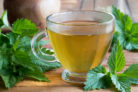
Believe it or not, nettle is so much more than just a stubborn weed. In the kitchen, it’s a fantastic substitute for spinach—it’s delicious in soups, smoothies, or homemade herb sauces. Beyond the dinner table, it has a long history in natural medicine. It’s a go-to for soothing everything from joint pain and rheumatism to urinary tract issues.
A Secret Weapon for Your Garden
Nettle isn’t just good for you; it’s great for your other plants, too. One of the best ways to use it is by making nettle tea (or liquid manure), which acts as a potent natural fertilizer. Here’s how you do it:
- Grab a large bucket or container (at least 2.5 to 3 gallons).
- Pick enough nettles to fill the container about three-quarters of the way full.
- Top it off with water, cover it up, and let it sit.
- Fair warning: this stuff gets *stinky* as it ferments! You’ll definitely want to keep the bucket far away from your patio or seating areas.
Putting Nettle Tea to Work
After about two weeks, your “brew” is ready. You can use it as a natural weed killer by pouring it (either straight or diluted) directly onto unwanted plants or using a spray bottle. It’s also a lifesaver if you’re dealing with an aphid infestation—just give your affected plants a good misting.
So far, we’ve talked a lot about *why* you should grow nettles, but not much about the *how*. That’s because growing them is actually the easy part! As long as your soil is rich in nitrogen, these plants are incredibly hardy and will usually take off on their own with very little help from you.