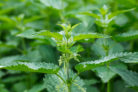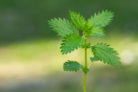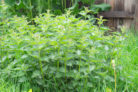
Most of us don’t exactly jump for joy when we spot stinging nettles popping up in our flower beds. Between those pesky stinging hairs and the fact that they aren’t exactly “pageant winners” in the flower department, they usually aren’t at the top of any gardener’s wishlist. But if you’re curious about when these prickly plants actually bloom, it really comes down to which variety you’re dealing with.
Stinging Nettle (Great Nettle)
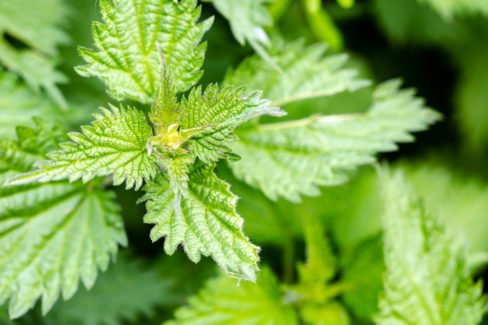
The “Great Nettle” usually starts showing its blossoms in July, and it keeps going strong all the way through October. One quirky thing about this specific variety is that it’s dioecious—meaning it produces separate male and female flowers. Most other nettle species out there are hermaphroditic, sporting both parts on the same plant.
Small Nettle
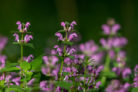
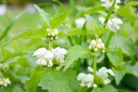
The Small Nettle, another common sight, gets an even earlier start on the season. You’ll see this one blooming as early as June, and like its larger cousin, it sticks around until October. This long blooming window is actually pretty handy for us gardeners; it makes it much easier to tell the difference between a “true” stinging nettle and harmless look-alikes. For instance, Dead Nettles (which don’t sting!) usually show off much flashier white or purple flowers.
Other Nettle Varieties
While the Great and Small nettles are the main players, there are a couple of other varieties you might stumble upon. In certain marshy areas, you’ll find the Fen Nettle, while the Roman Nettle (also known as the Pill Nettle) occasionally pops up in warmer regions. The Roman Nettle originally hails from the Mediterranean, which explains its slightly different schedule. Here is the typical blooming window for these two:
- Fen Nettle: July to August
- Roman Nettle: April to October
You can really see how geography plays a role here! The Roman Nettle takes advantage of the early warmth in the south, while the Fen Nettle waits for the peak of summer, reflecting its roots in slightly cooler climates.