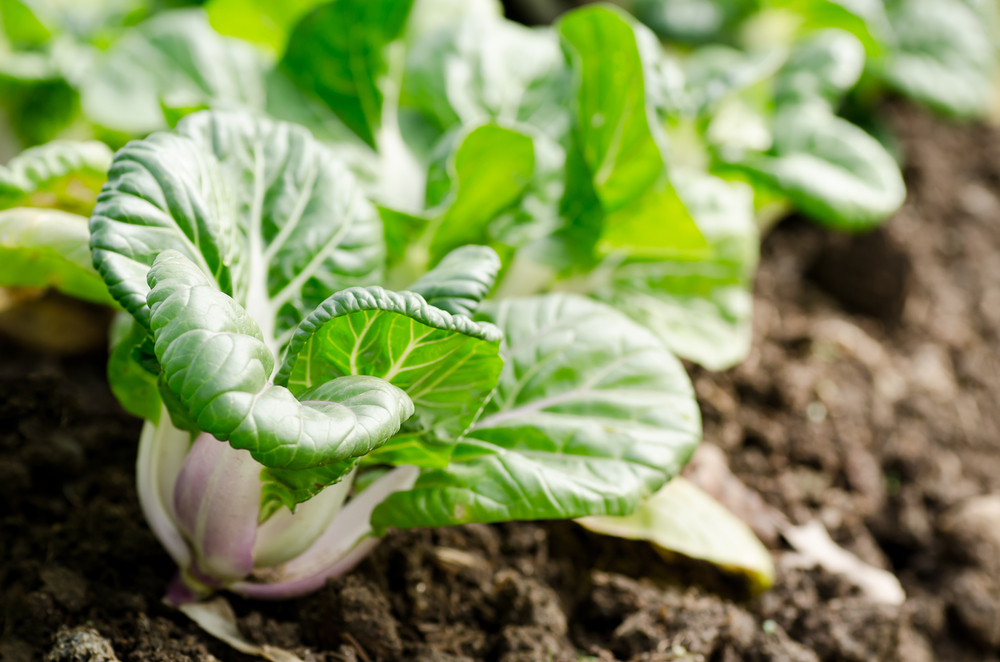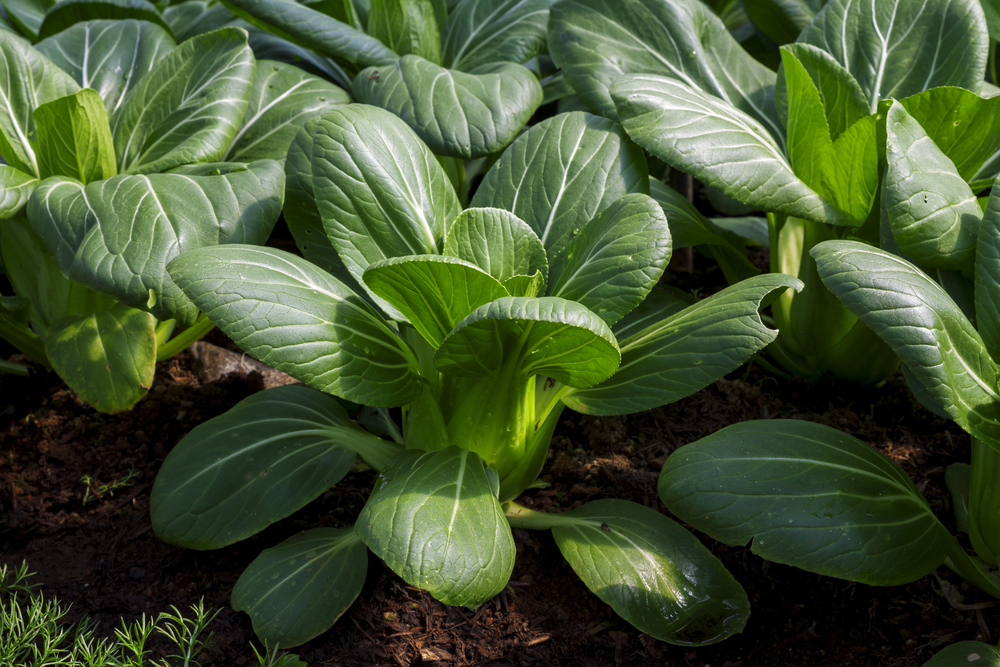
At first glance, you might mistake Pak Choi for Swiss chard, but don’t let the looks fool you—they aren’t actually related! Pak Choi is actually a member of the cabbage family and is much more closely related to Chinese cabbage. If you’ve got some growing in your garden, here is everything you need to know about getting that harvest just right.
The Perfect Time to Harvest
Generally, Pak Choi is ready to harvest about ten weeks after sowing your seeds, though if the weather is on your side, it can be ready in as little as eight weeks. If you get your seeds in the ground in April, you’ll usually be harvesting your Pak Choi in June. Just a heads-up: don’t wait too long! If it starts to bolt and flower, the stalks will get tough and fibrous.
A great way to tell if it’s ready is by checking the height. Take a quick look at your seed packet for the specifics, but most varieties are ready when they hit between 8 and 20 inches tall. As soon as you see the first signs of flower buds forming, it’s time to get out there and harvest immediately.
How to Harvest and Store Your Pak Choi
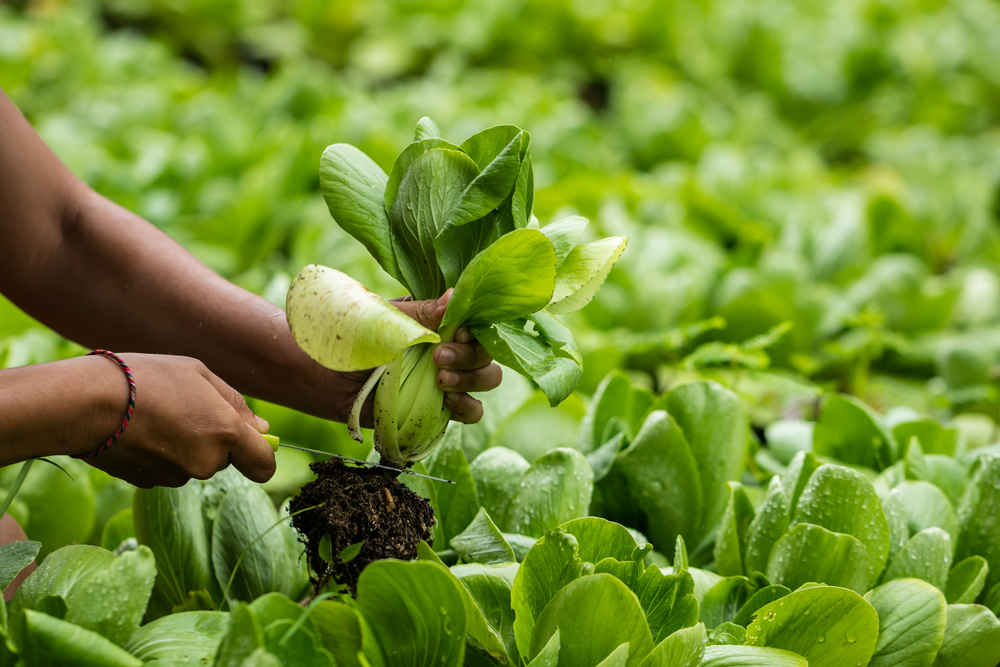
When it’s time to harvest, you’ll want to take the whole plant, roots and all. The best way to do this is to gently twist the plant out of the soil by hand. Keeping the roots attached is a little pro tip—it actually helps the veggie stay fresh much longer after it’s been picked.
Once you’ve brought your haul inside, Pak Choi will keep in your refrigerator’s crisper drawer for a little over a week. Resist the urge to wash it right away! Just brush off any excess sand or dirt and pluck off any brown or wilted leaves. Save the washing for right before you cook it.
One thing to keep in mind: don’t toss raw Pak Choi in the freezer. Because of its high water content, it’ll just turn into a mushy mess when it thaws. However, if you’ve already cooked, sautéed, or steamed it, it freezes beautifully! It’ll still taste great later on, though I always recommend eating it sooner rather than later for the best flavor.