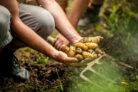
Potatoes are pretty much the holy grail for organic gardeners. They usually give you a massive harvest, and depending on what you plant, you can be digging them up from June all the way through November. But did you know that *when* you harvest actually tells you a lot about how to use your spuds? Let’s dive into it.
Timing Your Harvest
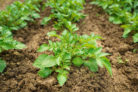
For most potatoes, the rule of thumb is to wait until the foliage has withered and died back completely. This is the signal that the potatoes have developed a thick skin, which is exactly what you need if you want to store them for a long time. However, if you’re growing “new potatoes” (early varieties), you’ll want to throw that rule book out the window! These little gems are meant to be enjoyed while they’re young and tender.
Harvesting Early Potatoes
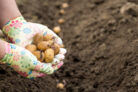
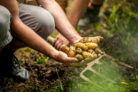
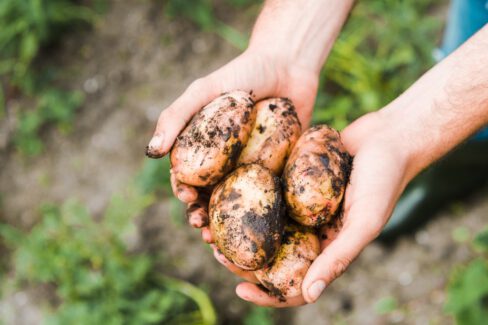
The best part about early potatoes is that incredible, delicate flavor. Because they’re harvested young, they have very thin skins, making them perfect for eating with the peel on. To get the timing right, you just need to know if you’ve planted “very early” or “early” varieties.
Signs Your Early Potatoes Are Ready:
- Start harvesting after the plants have flowered, even while the foliage is still green.
- Very early varieties are usually ready starting in June.
- Standard early varieties can be harvested through mid-August.
- As a general rule, you can start checking your plants about 60 days after planting.
- Keep in mind: early potatoes aren’t great for long-term storage, so try to eat them within a few days of digging them up.
Get a Head Start by Chitting
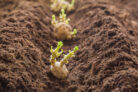
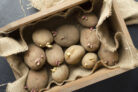
If you’re like me and can’t wait to get your hands on that first harvest, you can actually speed things up. By chitting (pre-sprouting) your potatoes indoors and planting very early varieties as soon as the weather allows, you can move your harvest date up by about two weeks. This means you could be eating homegrown potatoes by late May! Just keep an eye on the weather and protect them from late frosts. Of course, if you leave them in the ground longer, the tubers will get bigger and the skins will toughen up—it’s all about your personal preference.
A Quick Safety Note
Don’t worry—harvesting potatoes “too early” doesn’t make them toxic. However, you should never eat potatoes that have turned green. That green color indicates a high level of solanine, which is a toxic alkaloid. If a potato is mostly green, toss it in the bin. If it just has a small green spot, just make sure to cut that part out generously with a knife before cooking.