title: Boost Your Harvest: The Ultimate Guide to Fertilizing Currants
Just like us, plants need a healthy diet to thrive—and currant bushes are no exception! By getting your fertilization routine right, you’re not just aiming for a bigger harvest; you’re also helping your bushes build up a strong “immune system” to fight off diseases and pests.
Choosing the Right Fertilizer
The good news? Currants aren’t particularly picky eaters. They love nutrient-dense organic matter, and you can easily use store-bought options or whip up something yourself at home.
Here are some of my favorite options:
- Well-rotted manure
- Finished compost
- Horn meal or horn shavings
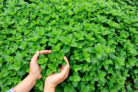
- Nettle tea (fermented stinging nettle steep)
- Specialized berry fertilizer
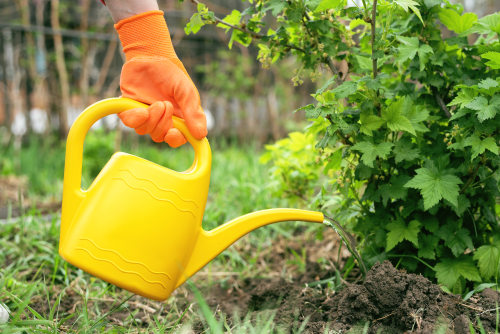
Nettle tea is a personal favorite because it doubles as a plant tonic. It makes your currants much less attractive to aphids and boosts their overall resilience. When planning your garden chores, remember to balance slow-release solid fertilizers with quick-acting liquid ones. Your currants will especially appreciate that liquid boost during their flowering and fruiting stages.
When to Fertilize
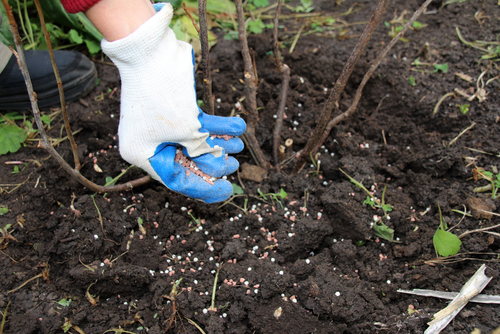
Currants are “heavy feeders,” meaning they need a steady supply of nutrients throughout the growing season. Your first round of fertilizer should go down in early spring, just before the new buds start to break. A solid fertilizer like compost or well-aged manure is perfect for this. Just a tip: scratch it gently into the top layer of soil so you don’t accidentally damage those shallow roots.
From April through May, focus more on liquid fertilizers. Once June hits, you can scale back a bit, as those slow-release fertilizers you applied in the spring will be fully kicked in by then. If the weather gets particularly extreme, a little extra dose of nettle tea can help the plants cope with the stress.
The final feeding happens in the fall before the bushes go dormant. Here’s a pro tip: currants actually start forming their flower buds for the following year in the autumn! A fall feeding—ideally with horn meal—sets the stage for a massive harvest next summer. I like to top this off with a fresh layer of mulch to protect the roots from the winter freeze.
Prepping the Soil Before Planting
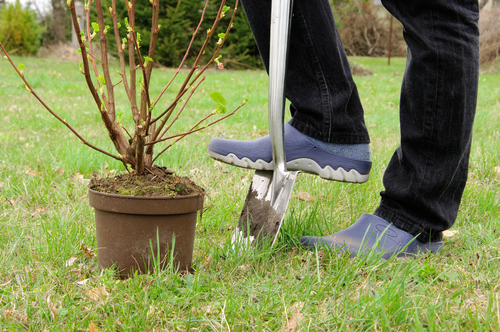
If you’re just starting your currant journey, remember that these bushes love a rich “home.” You should start improving the soil even before the plant goes into the ground. Mix plenty of compost and organic fertilizer into the planting hole. A 50/50 mix of garden soil and compost usually gives them the best head start.
Alternatively, you can plant currants directly into a bed of well-aged manure mixed with a bit of garden soil (the soil helps hold onto moisture). For new plantings, a thick layer of mulch is a lifesaver—it keeps the roots from drying out while they’re getting established and eventually breaks down into even more nutrients for the plant.