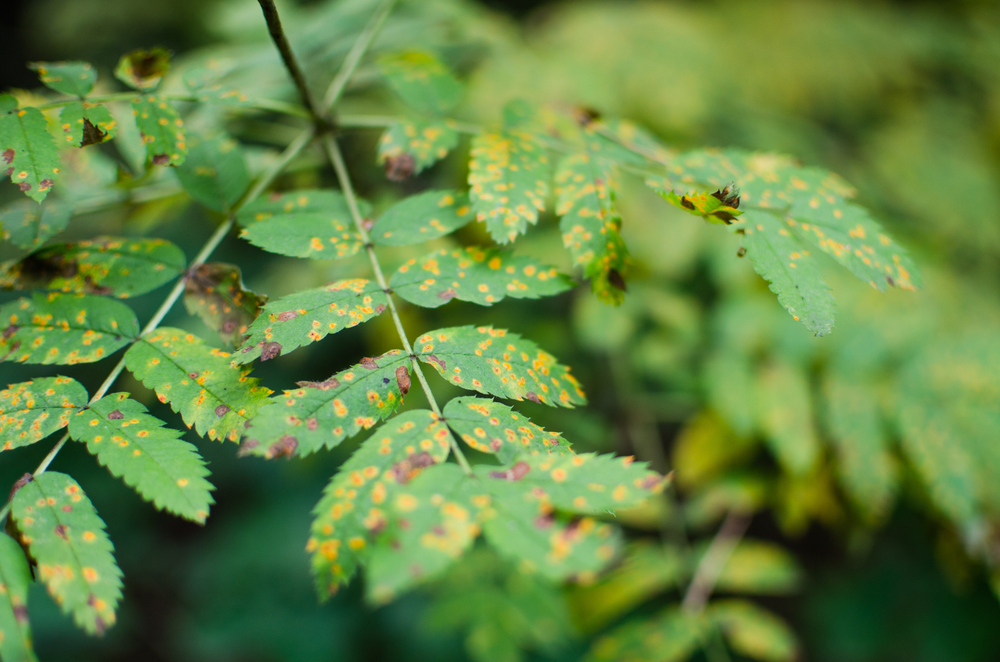
Bacteria, fungi, and viruses aren’t just a headache for us humans—our plants can get pretty sick from them, too. Usually, these pests target trees that are already a bit stressed or weakened. That’s why keeping your fruit and vegetable garden in tip-top shape is your best line of defense. A little cleanliness and staying on top of crop rotation goes a long way in building up your plants’ natural resilience.
Honey Fungus: The Silent Tree Killer
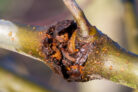
One of the most notorious troublemakers out there is the Honey Fungus (Hallimasch). If you spot white fungal threads or catch a mushroomy whiff coming from under the bark, you might have a problem. It can be tricky to tell the different species apart, but the Honey-Colored and Dark Honey Fungus are the real villains here. These fungi actually rot the wood from the inside out. Unfortunately, if your tree is hit, the only real fix is usually to dig out the whole thing—stump and all—to keep it from spreading to the rest of your garden.
Bitter Pit: Those Annoying Brown Spots
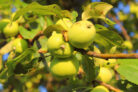
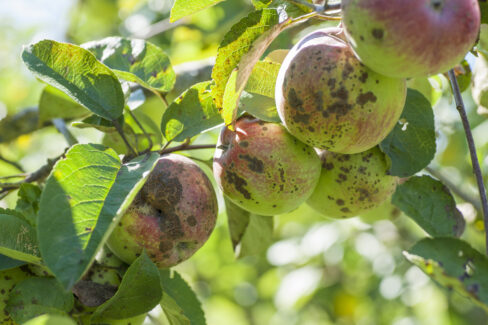
Ever noticed small, sunken brown spots on the skin of your apples? That’s likely Bitter Pit (Stippigkeit). Not only does it look unappealing, but it can make the fruit taste pretty bitter. This usually happens because of a calcium deficiency, sometimes triggered by too much potassium or magnesium in the soil. To prevent this, try fertilizing with calcium salts (like calcium nitrate or calcium chloride) about 10 weeks before harvest. Keeping your trees well-mulched and consistently watered also helps keep Bitter Pit at bay.
Monilia Fruit Rot
Monilia is a type of fungal disease that loves to sneak into fruit trees, causing nasty rotten soft spots and light brown pustules on the fruit. If you see “mummy” fruits or wilted blossoms on the branches, pluck them off immediately! Getting rid of the infected parts right away is key to stopping the spread.
Blossom Wilt
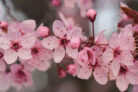
A super soggy spring can be the perfect breeding ground for Blossom Wilt. You’ll notice the apple blossoms wilting and turning brown. This is caused by a fungus that can travel right into the wood of the tree, killing off leaves or causing growths on the branches. If you spot it, grab your shears and prune away the affected blossoms, branches, and fruit immediately to save the rest of the tree.
Fire Blight
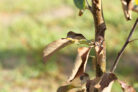
Fire Blight is a serious bacterial infection that especially loves apples and pears. The leaves will wilt and turn a scorched brown (hence the name). You’ve got to cut out the infected areas right away to stop it from reaching the inner bark.
Heads up: In many areas, Fire Blight is a reportable disease, so check with your local agricultural office if you find it!
Powdery Mildew
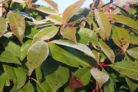
One of the most common fungal diseases for apple trees is Powdery Mildew. Depending on the variety, it often pops up during dry spells, leaving a white, flour-like coating on the leaves. To handle it, prune back the sick branches, keep the tree well-watered, and consider using a fungicide if it gets out of hand.
Apple Scab
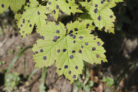
If your apples are developing small, dark brown scaly spots, you’re likely dealing with Scab. This can spread to the leaves and twigs, too. Since the fungus likes to overwinter in fallen leaves, make sure you clear out and dispose of any leaf litter around the base of the tree as soon as possible.
Calyx End Rot
You’ll recognize Calyx End Rot by the brown, sunken spots right at the bottom (the blossom end) of the fruit. The core usually rots out first, which eventually ruins the whole apple during storage. If the fruit is already infected, there isn’t much you can do to “cure” it, but you should still remove the bad apples. If it keeps happening year after year, you might want to look into a fungicide treatment during the next blooming season.
The Bottom Line: Prevention is the Best Medicine
Healthy plants are much better at fighting off diseases, so make sure yours are getting a balanced diet. They need a good mix of nitrogen, potassium, phosphorus, and trace elements. If your soil pH is out of whack, it’s worth amending the soil or adding some fertilizer. Finally, don’t skip your regular pruning! Thinning out the branches improves airflow, which makes it much harder for diseases to settle in and spread.