One of the most common headaches for apple tree owners is powdery mildew. Depending on which variety you have growing in your backyard and how the weather is behaving, this fungal disease can pop up pretty frequently.
When Does the Fungus Strike?
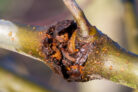
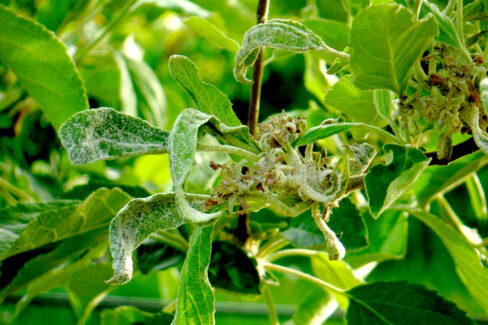
This fungus is a bit of a survivor—it overwinters right inside the leaf and flower buds, especially at the tips of the branches. As soon as those buds pop open in the spring, the fungus wakes up and starts spreading across the tender new leaves. It hitches a ride on the wind or hitches a lift from passing insects, quickly making its way through the whole tree. You’ll usually see the biggest spread between late May and early July when the new growth is most vulnerable.
Look Out for That “Dusty” Coating
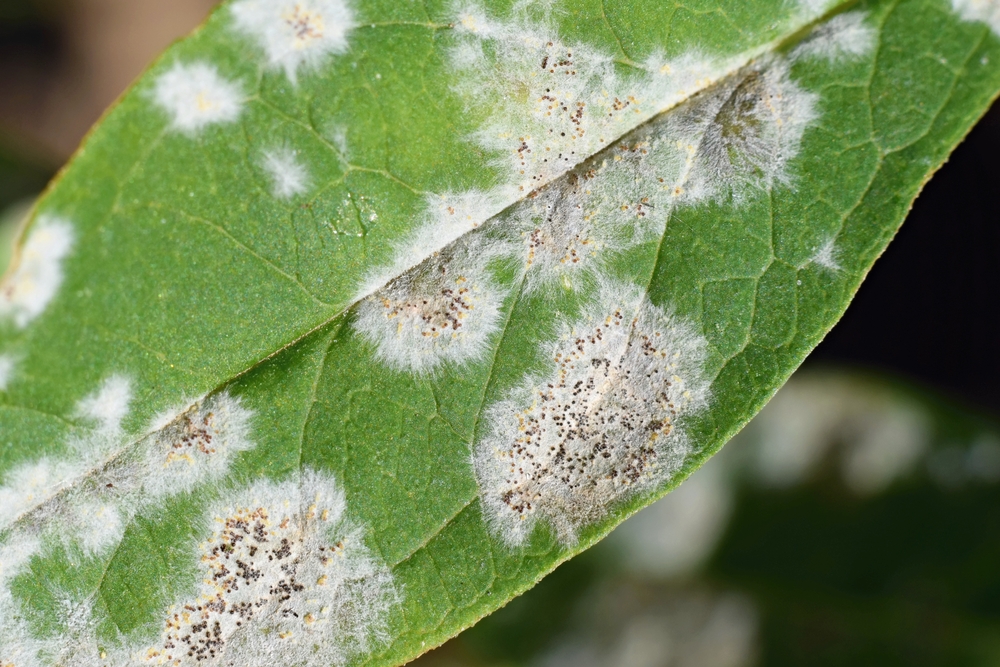
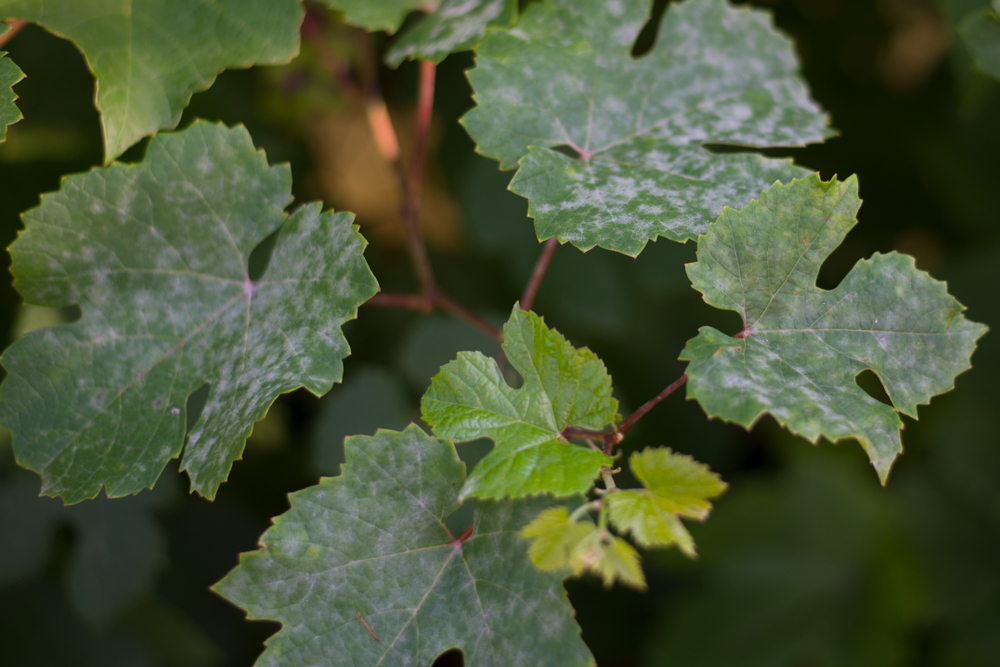
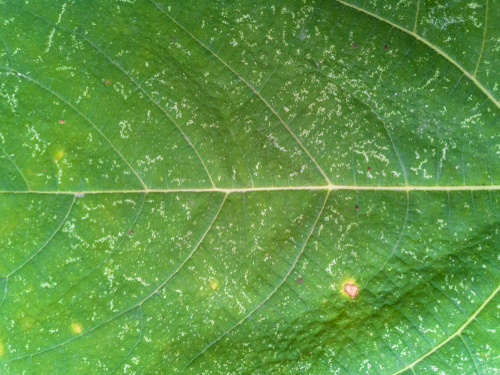
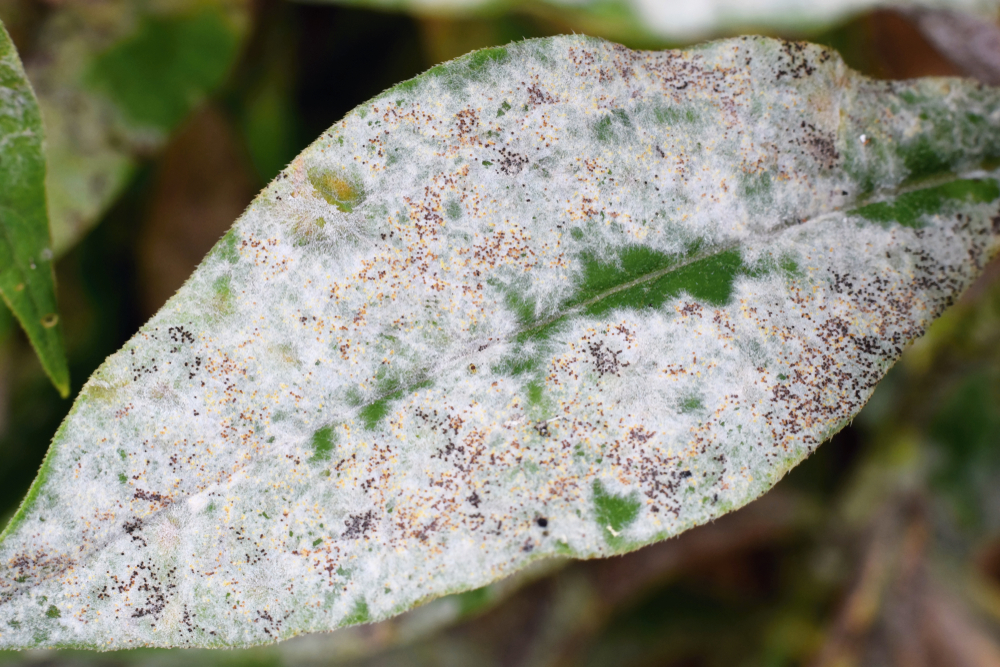
In the early stages, you really have to keep a sharp eye out because powdery mildew can be tricky to spot. Look for a white, almost cobweb-like fuzz appearing in small spots, usually right in the center of the leaf. As time goes on, that grayish-white coating spreads until it covers the entire leaf surface.
Proactive Prevention
While a mildew infection usually won’t kill your tree, you definitely want to jump on it quickly. If left unchecked, it can invite other diseases and seriously shrink your apple harvest. Here’s how to stay ahead of it:
- Give your tree a good pruning in the winter. Carefully cut back any infected shoots to reduce the number of spores waiting to wake up next year.
- Keep your fertilizing routine balanced. A well-fed tree is much more resistant to infections on its young leaves.
- During the peak infection season, keep an eye out and prune away any infected tips as soon as you see them to stop the spread in its tracks.
Dealing with Mildew Directly
Once you see those first symptoms, you can start treating the tree with approved products. Here are a few options that work well for pome fruits:
- Sulfur (this is a great double-whammy because it also fights apple scab).
- Lecithin and Horsetail herb. These are approved as “basic substances,” meaning you can mix up your own natural sprays at home—perfect for the organic home gardener.
- Potassium bicarbonate. While it’s officially approved for scab and sooty blotch, it’s also surprisingly effective against powdery mildew.
A Quick Tip:
If you’re looking to plant a new tree, keep in mind that apple varieties with “hairless” leaves are generally less prone to mildew. Some great low-maintenance varieties to consider are Ariana, Ariwa, Golden Orange, Nela, and Topaz.