Apple trees are the crown jewels of the backyard orchard, and when they’re happy, they’ll reward you with a massive harvest. But to keep those branches heavy with fruit, you’ve got to stay one step ahead of the occasional hiccup. Knowing how to spot common pests and diseases early is the secret to a thriving tree. Here’s the lowdown on what to look out for and how to handle it.
Dealing with a Scant Harvest
It’s a common frustration: your apple tree isn’t blooming much, which means very little fruit. Often, the culprit is simply hunger. We love planting fruit trees right in the middle of our lawns, but grass is a greedy neighbor that steals nutrients. To fix this, try mixing in about 3.5 ounces of all-purpose fertilizer per square yard in the spring. Clearing away the grass around the base and adding a nice layer of mulch also works wonders. If your tree produces plenty of apples but they stay tiny, try thinning them out in early summer. Removing a few small fruits allows the tree to pour all its energy into making the remaining ones big and juicy.
Caterpillars in the Canopy
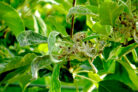
Finding caterpillars in your apple tree can be a bit alarming when you see them munching on leaves, but usually, it’s not a total disaster. The Apple Ermine Moth is a frequent guest; its larvae hatch and turn into very hungry caterpillars that can strip a bush or tree bare if left unchecked. You’ll recognize them by their yellow-gray bodies with black spots and black heads. The dead giveaway, though, is the large, silk-like webs they spin, which look a lot like thick spider webs covering the branches.
How to Manage Ermine Moths
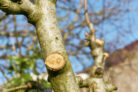
If you catch them early, the best move is to just pick them off by hand. If the “webbing” has already taken over, your best bet is to prune out the infested webs or the tips of the affected branches entirely. By the time the webs are large, chemical treatments usually won’t do much good anyway, so stick to manual removal.
The Dreaded Codling Moth
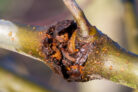
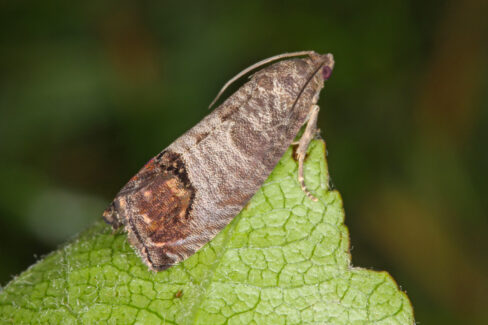
The Codling Moth is probably the most famous “worm in the apple” culprit. These larvae burrow straight for the core to feed, making them a major headache for home gardeners. You can tell they’ve moved in if you see “frass”—which looks like brown sawdust—pushed out of a small hole in the fruit. The adult moths are grayish with light stripes and a distinct copper-colored patch on their wingtips. The larvae start out white or yellowish with black heads and turn pinkish as they grow. Keep a close eye on your trees from May to June and again from August to September, as that’s prime egg-laying season.
Aphid Attacks
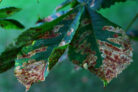
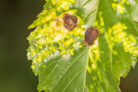
Aphids are a common sight on apple trees. They have a major sweet tooth for young, tender leaves, which causes ugly discoloration and curling. If a colony gets too big, it can actually put your whole harvest at risk. The best defense is a good offense: keep your tree healthy and well-fed. A strong, vigorous tree has its own natural “immune system” to help ward off insect attacks and recover faster.
A Quick Heads-Up
Pests aren’t the only things that can crash the party. Keep an eye out for diseases and fungal issues like powdery mildew. These can spread quickly and ruin your crop if you don’t catch them early!