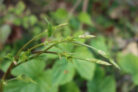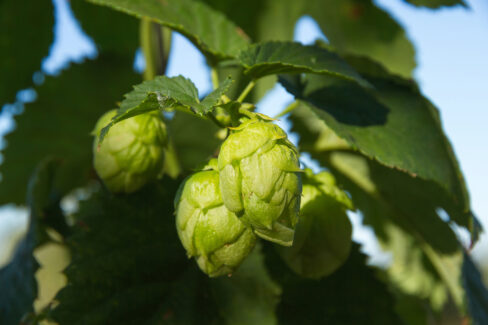
Hops are what we call “dioecious” plants, which is just a fancy way of saying they are either male or female. If you’re looking to brew your own beer or whip up some herbal remedies, you’re going to want the ladies. Male hop plants are pretty much just for decoration, and in some professional hop-growing regions, they’re actually banned!
How to Spot a Male Hop Plant by Its Bloom
If you’re growing hops from seeds, it’s a bit of a guessing game until they start to bloom. You won’t know the gender of your plant until you see the shape of the flowers. Here’s the cheat sheet for telling them apart:
- Male flowers grow in loose, branching clusters (called panicles). They are yellowish-green and stand out quite a bit.
- Female flowers are much more subtle at first, growing in cone-shaped spikes that eventually turn into those iconic “hops” we know and love.
The bracts (those tiny leaf-like parts) on female flowers stay tightly closed and are very small early on. On the other hand, male plants put out long, dangling clusters that are hard to miss.
Why Male Hops are the Party Poopers of the Garden
Here’s the deal: if a male plant pollinates your female hops, the quality takes a nosedive. The flavor profile changes, and the hops lose the specific qualities brewers look for. Even worse? Beer brewed with pollinated hops won’t hold a foamy head. Nobody wants a flat, sad-looking beer!
If you have any plans to harvest your hops for use, you need to scout your garden and pull out any male plants the second you identify them.
In Some Places, Removing Male Hops is the Law
If you happen to live in a major beer-brewing or hop-growing region, growing male hops isn’t just a bad idea—it might actually be illegal. Because wind can carry pollen for miles, one male plant in your backyard could ruin a professional farmer’s entire crop. In these areas, you’re legally required to get rid of male hops immediately.
Pro Tips for Propagating Your Hops
If you want to expand your hop garden, I’d steer clear of seeds. It’s too risky because you might not realize you have a male plant until it’s already caused trouble. It’s much easier (and safer!) to propagate using cuttings or by dividing the roots. This way, you know exactly what you’re getting: 100% female plants and great harvest potential.