Hops are what we call dioecious plants, which is just a fancy way of saying that each plant is either male or female. The tricky part? You won’t actually know which one you’ve got until the plant starts to bloom.
Should you choose male or female hop plants?
As a general rule of thumb, male hops aren’t exactly welcome guests in the garden. While they do flower, they don’t produce the actual “fruit” (the cones) we’re looking for. Even worse, male plants can mess with the quality of nearby female plants. In fact, if you live near a commercial hop-growing region for breweries, growing male hops is often actually prohibited! To play it safe, I recommend avoiding growing hops from seeds. Instead, stick to these reliable methods to ensure you get a female plant:
- Buy certified female plants from a reputable nursery
- Propagate via cuttings
- Propagate through root division
How to tell the flowers apart
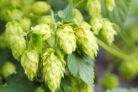
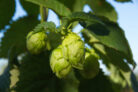
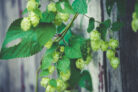
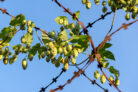
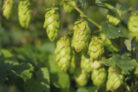
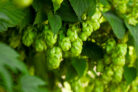
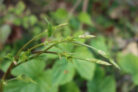
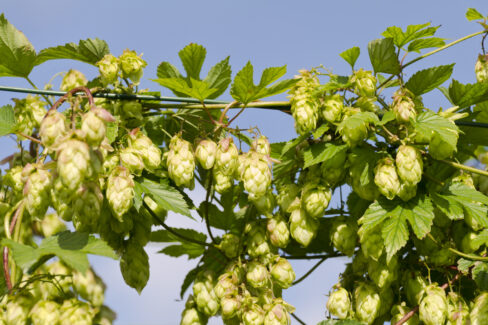
Spotting the difference is easier than you might think once you know what to look for. Male hop flowers grow in long, loose, drooping panicles. On the flip side, female hops develop those iconic cone-shaped blooms. These are technically “umbel” flowers and look a lot like little green ears of grain. After pollination, the bracts on the female flowers swell up, and by harvest time, they look just like small, bright green pinecones.
Why you should skip the male plants
Being able to tell these apart is super important because male hops can really ruin the party. If you spot a male plant popping up in your garden, your best bet is to pull it out and toss it in the trash.
This is especially crucial if you live in “beer country.” If male and female flowers mix, the resulting fruit quality takes a nose-dive. For the homebrewers out there, this means your beer won’t get that perfect foamy head, and the flavor and essential oils will be totally off.
Keep an eye out during blooming season
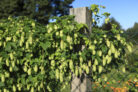
Hops usually start blooming in June, and the season can last all the way through September. Once they flower, the cones ripen pretty quickly. Generally, you’ll be looking at a harvest sometime in August.