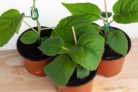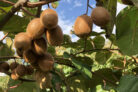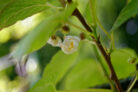
Exotic kiwi plants feature beautiful white to pale yellow blooms, but there’s a little secret to getting them to actually produce fruit. Most kiwis are “dioecious,” which is just a fancy gardening term meaning the male and female flowers grow on separate plants. Because of this, getting the spacing right between your boys and girls is the absolute key to a successful harvest.
Understanding Pollination in Dioecious Plants
In the plant world, we generally talk about “monoecious” vs. “dioecious” species. While some modern, self-fertile kiwi varieties have been bred to be “hermaphroditic” (meaning they have both male and female parts on one plant), traditional kiwis are strictly divided into male and female plants.
If you’re growing these traditional types, you’ll need at least one of each to get any fruit at all. The good news? One male plant is usually a total superstar and can pollinate up to seven female vines. Just keep in mind that if you’re planning a massive kiwi orchard, you’ll eventually need to add more males to the mix to keep everyone happy.
Popular Kiwi Varieties
Believe it or not, there are actually more dioecious kiwi varieties out there than self-pollinating ones. If you’re looking for the “all-in-one” self-fertile types, “Solo” and the newer “Solissimo Renact” are the current go-tos. However, if you’re going the traditional route, here are the varieties you’ll likely run into:
- Starella (Female, large-fruited)
- Allison (Female, large-fruited)
- Nostino (Male, large-fruited)
- Weiki (Available as male or female; these are hardy “Mini Kiwis”)
- Ken’s Red (Female, Mini Kiwi)
- Milano (Male, Mini Kiwi)
The Sweet Spot: Optimal Planting Distance
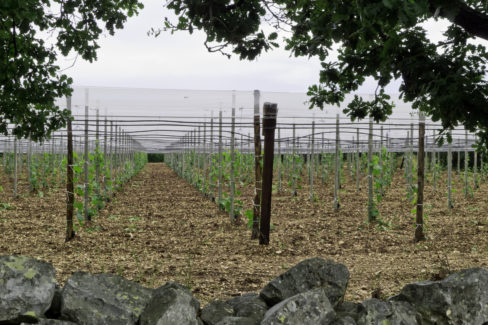
To get those sweet, green fruits in a few years, you need more than just nutrient-rich, slightly acidic soil and a warm, sheltered spot with a sturdy trellis. You also have to be strategic about your layout.
As a rule of thumb, your male and female plants should be no more than 13 feet (4 meters) apart. If they’re further away than that, our busy little friends like bees and bumblebees might not make the trip from the male pollen to the female flowers effectively. As long as you stay within that 13-foot radius, you can surround one male plant with up to seven females.
But don’t get *too* close! You should still leave at least 3 feet (1 meter) of space between each plant. If they’re cramped, they’ll compete for nutrients and won’t grow to their full potential, which means a much smaller harvest for you down the road. Give them some breathing room, and they’ll reward you with plenty of fruit!