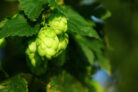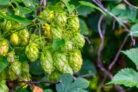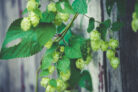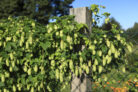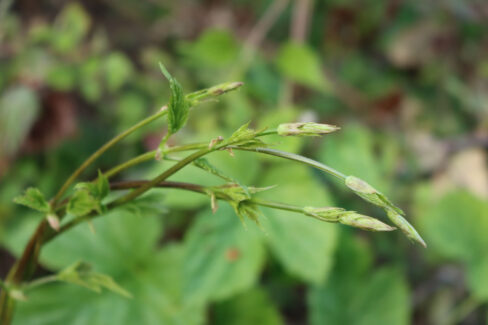
Most folks know hops as the star ingredient in their favorite craft beer, which is why you see them growing on massive commercial farms. But here’s a pro tip: you can totally grow hops right in your own backyard! Whether you’re a homebrewer or just love a lush garden, here is everything you need to know to get started.
Ways to Use Hops in Your Garden
- Grow them in the ground or in large containers
- Create natural shade
- Build a living privacy screen
- Green up your balconies and pergolas
Because hops grow incredibly fast and have dense, beautiful foliage, they are perfect for creating a “living wall” for privacy or shade. They look stunning climbing up a pergola, too. If you’re short on space, don’t worry—hops do surprisingly well in large pots, making them a great choice for brightening up a balcony or patio.
Beyond the garden, hop cones are a famous natural remedy; brewed as a tea, they have a wonderful calming effect. And here’s a little foodie secret: in the spring, you can harvest the young shoots and prepare them just like asparagus. Since they’re both beautiful and edible, they’re a fantastic addition to any home garden.
How to Care for Your Hops
To keep your hops happy, find them a sunny to partially shaded spot. They aren’t fans of “wet feet” (standing water), but they do like their soil to stay consistently moist. They definitely don’t like drying out! Make sure to water them regularly during those scorching summer months, especially if you’re growing them in containers.
Since these climbers grow so fast, they’re hungry plants. Give them a boost by using a standard vegetable fertilizer once a month. As for pruning, you only need to do it once a year. The plant will die back in the winter and then come roaring back to life with fresh shoots in the spring.
The Best Way to Propagate Hops
I wouldn’t recommend starting hops from seed. In the world of hops, male plants are generally avoided because they can interfere with the flowering of female plants—which is a big no-no, especially in hop-growing regions. Instead, the best way to grow new plants is through root division or cuttings.