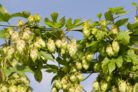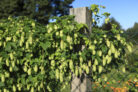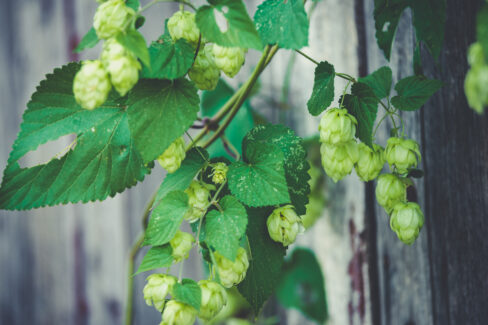
Common Hops (*Humulus lupulus*) are such a fantastic addition to any garden, whether you’re looking for a beautiful ornamental climber or a functional crop. These plants are hardy perennials, meaning they’ll stick around for years, though they are deciduous—so keep in mind they won’t provide much privacy during the winter months.
Common Hops: At a Glance
- Perennial (comes back every year)
- Fast-growing
- Deciduous (drops leaves in winter)
- Edible
- Excellent summer privacy screen
Common Hops, often called “cultivated hops,” are reliable perennials. During the winter, the plant goes dormant and dies back to the ground, leaving behind only dry stems. But don’t worry! Come spring, it wakes up and sends out a burst of new shoots. Fun fact: you can actually harvest these young shoots and cook them just like asparagus—they’re delicious!
The Exception: Japanese Hops
It’s worth noting that not all hops are the same. Japanese Hops (*Humulus japonicus*) are the exception to the rule. Unlike the common variety, these are annuals, meaning they only live for one season and need to be replanted from seed each year.
Hops Can Live a Long Time
If you take care of your perennial hops, they can be your garden companions for decades—some plants have been known to live for over 50 years! Just a heads-up, though: hops love to spread out via their root systems. To keep them from taking over your garden and crowding out your other plants, it’s a good idea to regularly trim back new runners.
A Perfect Privacy Screen
Hops aren’t just for homebrewers; they’re a gardener’s dream for creating a quick privacy screen. Because they grow so incredibly fast, they’ll cover a fence or balcony in no time. Just make sure you provide a sturdy trellis or support for them to climb. The dense foliage is perfect for blocking prying eyes, and the cone-shaped flowers (the hops themselves) look gorgeous. Plus, you can pick those cones to brew a relaxing, homegrown herbal tea!
Since the plant retreats underground for the winter, you’ll be left with some dried-out vines. Simply cut the plant back in early spring, and you’ll see those vibrant new shoots popping up again before you know it.