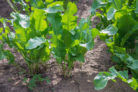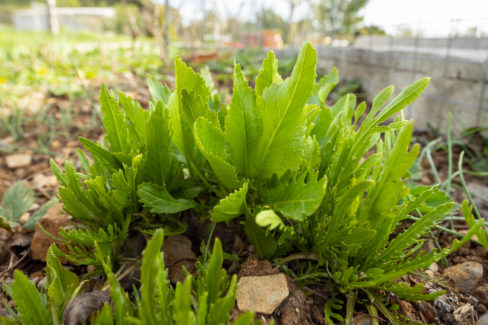
Horseradish is that secret weapon in the kitchen that gives so many dishes that perfect, spicy kick. While you might find yourself reaching for it all year round—and technically, you *can* harvest it anytime—there’s a sweet spot if you want the best flavor. If you’re looking for that peak punch, autumn is definitely the time to head out to the garden.
Harvesting Your Horseradish
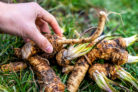
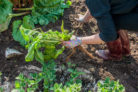
Let’s be real: harvesting horseradish can be a bit of a workout! These roots aren’t just tough; they can grow incredibly deep. If you try to just yank it out of the ground by the leaves, you’re probably just going to end up with a handful of greens and a snapped root. Instead, grab a shovel and dig down around the side of the plant. Once you’ve cleared away enough soil to get a good grip on the main root, you can ease it out of the earth.
Pro tip: Only take the thick, main part of the root for your kitchen adventures. Leave those smaller side roots right where they are in the soil—they’ll usually sprout into brand-new plants for next year. You can also slice off the very top of the root (where the leaves start) and replant that, too. Talk about a gift that keeps on giving!
That Intense Autumn Flavor
Just like a lot of other root herbs, horseradish packs its biggest punch in the fall. As the weather cools down, the plant starts storing all its nutrients and essential oils down in the roots. Just a fair warning: autumn horseradish can be so potent that even a tiny bit might have your eyes watering!
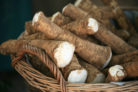
While you can harvest throughout the year, a frozen ground in the dead of winter will obviously put a stop to your digging. To keep the fresh flavor going all winter long, try “pitting” them. Just place your root sections in a wooden crate filled with damp sand. The wood helps prevent mold, and as long as you keep the sand moist and the box in a cool, dark spot (like a basement or root cellar), you’ll have fresh horseradish whenever you need it.
If you’re short on space, you can also dry your horseradish, though keep in mind it does lose a bit of its signature zing this way. To do it, finely grate the root and spread it out on parchment paper. Pop it in the oven at about 120°F (50°C) with the door cracked slightly. Once it’s completely dry, you can grind it into a fine powder with a mortar and pestle before using.