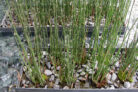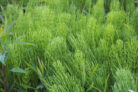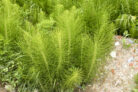
Most of the time, we gardeners are doing everything in our power to *stop* horsetail from spreading. It’s often seen as that stubborn weed that takes over your yard before you can even say “green thumb.” But believe it or not, there are actually some perks to intentionally growing this ancient plant!
How Horsetail Spreads
Horsetail is a true survivor—it’s been around since the dinosaurs! Because it’s been on Earth for so long, it has mastered the art of reproduction. It mainly gets around in two ways. First, it uses spores. Since horsetail is a relative of the fern, it doesn’t produce flowers or seeds. Instead, it grows spore-bearing cones that release tiny spores into the wind between April and June. Once they catch a breeze, they can end up just about anywhere.
The second (and more frustrating) way it spreads is through rhizomes. Horsetail sends out underground runners that can dive up to six feet deep! This is exactly why it’s so hard to get rid of horsetail—you can’t just dig it up and call it a day. Even a tiny fragment of a root left behind is enough to start a whole new colony, which is why it often wins the battle against casual weeding.
Keeping It Under Control
If you’ve got horsetail in your garden, you know it’s a tough customer. Reaching for chemical weed killers usually does more harm than good, often damaging your prized plants while the horsetail just shrugs it off. If you want to keep it in check, here are a few pro tips:
- If you’re planting it on purpose, always use a root barrier.
- For Water Horsetail, keep it contained in a sturdy pond basket.
- Snip off those spore cones as soon as you see them.
- Pull up green shoots immediately to weaken the plant.
- Clear out any rhizomes you find creeping near the surface.
Growing Horsetail as an Ornamental
The good news? Growing horsetail on purpose is way easier than trying to stop it! Since the plant is so vigorous, it’ll usually produce “pups” nearby on its own—all you need is a little patience. If a new shoot pops up somewhere you don’t want it, you can easily dig it up and move it.
Propagating via rhizomes is just as simple. Just snip off a section of the root and replant it where you want it to grow. Some varieties actually look stunning when grown in pots as architectural accent plants. When it’s time to repot, you can simply divide the root ball to create new plants. In fact, you *should* divide it regularly, otherwise, it’ll outgrow its container in no time!