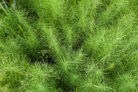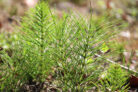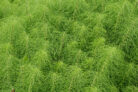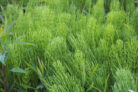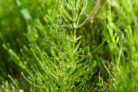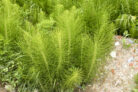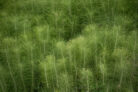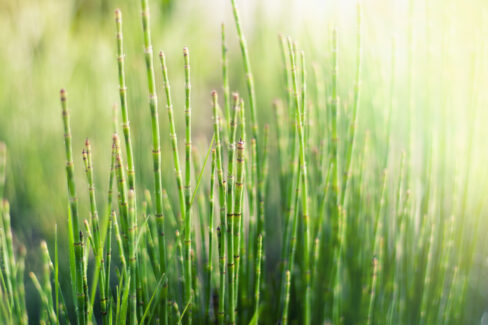
Horsetail often gets a bad rap as a pesky weed, but honestly? There are so many varieties that look absolutely stunning in a garden setting. If you’re looking to add some architectural flair to your yard, here’s everything you need to know about planting it.
The Perfect Spot and Soil
Most horsetail varieties love soaking up the sun. If you’re looking at Marsh Horsetail, it’ll be happiest right by the water—think pond edges or along a backyard stream. One of the best things about this plant is that it doesn’t mind “wet feet” (standing water) at all. It thrives in heavy, clay-heavy soils and isn’t picky about nutrients. You can also skip the lime; this plant prefers things just as they are. Horsetail isn’t demanding; it’s been perfecting its survival strategy for millions of years!
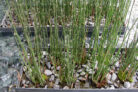
When planting smaller varieties, give them about 12 to 20 inches of breathing room from their neighbors. A good rule of thumb is to plant about three to five specimens per square yard. The larger varieties, however, are total attention-grabbers and look great as standalone features. Just be sure to pick your spot carefully—horsetail hates being moved once it’s settled. Also, pro tip: definitely install a root barrier to keep it from taking over your entire garden!
Planting and “Blooming” Season
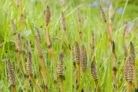
Spring is the best time to get your horsetail in the ground. Now, you won’t see a traditional blooming season with colorful petals. Since it’s a relative of the fern, horsetail produces spore cones that look a bit like tiny mushrooms. It reproduces via these spores, which the wind carries far and wide—which explains why you see it everywhere! This process usually happens between April and June.
Fun Facts & Tidbits
There’s actually a lot of cool history behind the horsetail profile. Here are five facts you might not know:
- Horsetail spreads through spores, runners, or by dividing the rhizomes.
- It’s incredibly hardy. The only time it needs a little extra winter protection is if you’re growing it in a container.
- Field Horsetail is actually edible and is a favorite in natural medicine.
- Be careful, though—other varieties, like Marsh Horsetail, are toxic.
- When used correctly, horsetail makes a fantastic natural fertilizer and protective spray for roses.