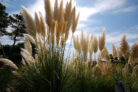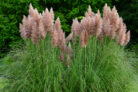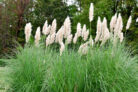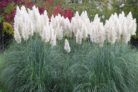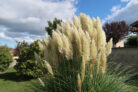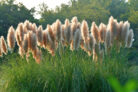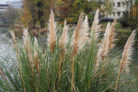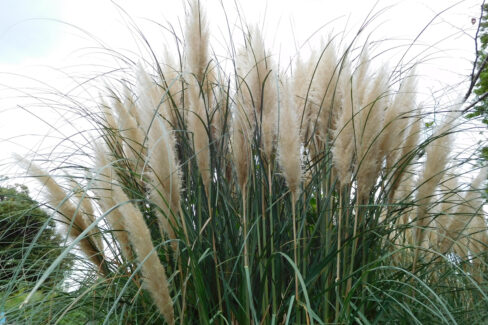
When we bring exotic plants into our gardens, the biggest worry is usually whether they’ll survive a chilly winter. Even though Pampas grass hails from South America (as the name suggests!), you might be surprised to learn that this ornamental grass is actually quite a champ when it comes to handling the cold.
It gets chilly in the Pampas, too!
The secret to its hardiness lies in its homeland. The South American pampas are known for hot, dry summers and surprisingly cold winters. Because of this, established Pampas grass can usually handle temperatures dropping as low as 1°F (-17°C) without breaking a sweat. As long as your grass is planted in the ground and has had a chance to develop a strong root system, it’s remarkably resilient.
Extra care for potted Pampas grass
If you’re growing Pampas grass in containers, you’ll need to be a bit more careful. Roots in pots are much more exposed to the freeze-thaw cycle than those deep in the ground. If your grass lives in a pot on the patio or balcony, move it close to the house wall for warmth and set the pot on a piece of wood or Styrofoam to insulate it from the cold ground. It’s also a great idea to wrap the pot itself. Good options for wrapping include:
- Garden fleece or burlap
- Old blankets
- Bubble wrap or plastic film
The real enemy: Too much moisture
Interestingly, it’s usually not the cold that kills Pampas grass—it’s the wet. If the soil stays soggy and cold all winter, the plant is prone to root rot, which can quickly kill the whole thing. Luckily, there’s an easy fix! The trick is to wait until spring to prune your grass. In the fall, simply gather the long stalks and tie them together. This creates a natural “tepee” shape that sheds rain and snow away from the center of the plant, keeping the crown dry.
Safety first: Dress for the job
When you’re tying up your grass in the fall—or untying it in the spring—make sure to wear heavy-duty gardening gloves and long sleeves. The edges of those leaves are surprisingly sharp and can give you a nasty paper-cut-style slice if you aren’t careful. Once spring arrives and the risk of hard frost has passed, you can untie the stalks and give the plant its annual haircut to get it ready for the new growing season!