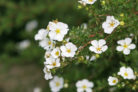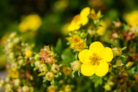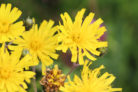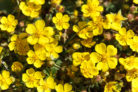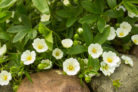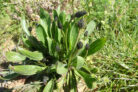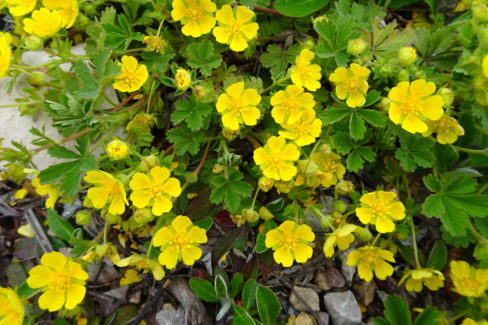
Every gardener deals with weeds—it’s just part of the job. Some are easy to handle with a quick hoeing, but others are total divas that try to take over your entire yard in record time. Creeping Cinquefoil is definitely one of those stubborn guests that doesn’t know when to leave.
Identifying Creeping Cinquefoil
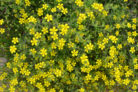
This hardy, herbaceous plant is originally from Europe and Asia, but it’s made itself right at home here. You’ll spot it growing in damp meadows, along roadsides, in fields, and—much to our chagrin—right in our garden beds. It spreads by “creeping” along the ground, sending out runners that take root at every node. Before you know it, you’ve got a thick green carpet that chokes out your favorite flowers and veggies. To make matters worse, those rooted nodes develop long taproots that anchor the plant deep into the soil, making it a real pain to pull out.
How to Get Rid of It
If you spot Creeping Cinquefoil, you’ve got to jump on it immediately. If you give it an inch, it’ll take a mile (or at least your whole garden). Here’s your game plan:
- Pull it out by hand. Pro tip: wait until the day after a good rain when the soil is soft and moist—it makes the job way easier.
- Try to clear it out before it starts blooming (usually around May or June).
- Use a hoe or hand trowel to dig up every last bit of the root.
- Consider planting a dense groundcover to “out-compete” the weed and steal its sunlight.
- Keep weed killers as a last-ditch, “break glass in case of emergency” resort.
I can’t stress this enough: you have to get the roots. It’s back-breaking work, I know, but even a tiny piece of root left behind can sprout into a brand-new plant. A great strategy is to turn over the soil in your bed and rake through it loosely. This brings those thin, stringy roots to the surface so you can pick them out. And whatever you do, toss the weeds in the trash, not the compost pile! In a compost bin, they’ll just take root again and spread when you spread your mulch.
Why Chemicals Should Be a Last Resort
Using heavy-duty herbicides should really be your absolute last option. These chemicals aren’t picky—they can kill your prized plants along with the weeds and hang around in the soil for a long time. Plus, they can leach into the groundwater, harm our local pollinators, and even end up in your homegrown veggies. If you eat those veggies, you’re ingesting those chemicals, too. That’s why I always recommend the “muscle method” first. It’s a workout, sure, but it’s much better for your garden’s ecosystem in the long run!