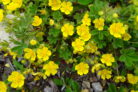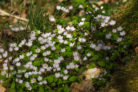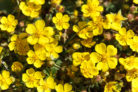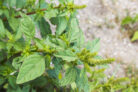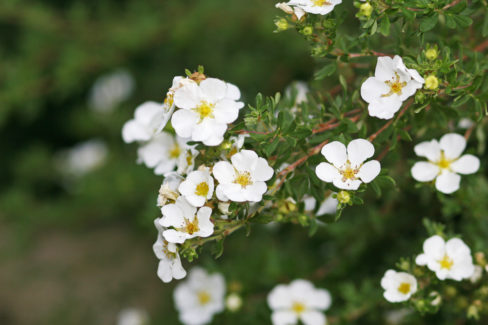
Cinquefoil, especially the creeping variety, is a common sight in many of our backyards. Because it grows so aggressively and spreads like wildfire, most gardeners treat it as a pesky weed. To be honest, it’s not exactly the best neighbor for your prized flower beds, so you’ll probably want to clear it out of those areas.
How to Spot Cinquefoil
There are about 500 different species of Cinquefoil out there. Here’s how you can tell if you’ve got it in your yard:
- Leaves that look like little fingers (hence the name!)
- Flowers with five petals
- Blooms can be white, yellow, or even purple
- Usually stays low to the ground, though some varieties grow taller
- Loves to hang out in sunny spots
- Super hardy—the roots survive the winter chill and pop right back up in the spring
- Spreads aggressively, forming thick green carpets
- Has a deep taproot that can reach up to 18 inches into the soil
Getting Cinquefoil Under Control
Creeping Cinquefoil really lives up to its name. It sends out long runners that quickly take over garden beds, crowding out your other plants. If you see it popping up, it’s best to act fast:
- Try to pull it before it has a chance to flower.
- Timing is everything: wait for a rainy day or water the area first. The roots come out much easier when the soil is damp.
- Use a hoe to loosen the soil and make sure you pick up every little root fragment.
- If it has already taken over a large patch, you can simply mow it down.
- I’d recommend skipping the chemical weed killers. Those toxins stick around in the soil for a long time, hurt our local pollinators, and can even end up in your homegrown veggies.
Don’t Fight It—Use It!
Believe it or not, you might actually want to keep a little Cinquefoil around if you’re into foraging or natural remedies. The leaves and flowers have a nice tangy flavor—perfect for adding a little zing to salads, green smoothies, stews, or soups. Plus, the flowers make a beautiful edible garnish for cold dishes.
Creeping Cinquefoil also has some pretty cool medicinal properties. It’s known to help with circulation, reduce fevers, and soothe sore throats or mouth inflammation. The taproot is particularly potent, and the leaves are packed with Vitamin C.