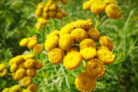
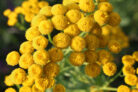
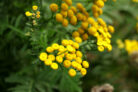
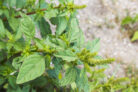
Tansy is a hardy wild perennial that you’ll often spot popping up along riverbanks, open fields, or even in rocky waste areas—it’s a true pioneer plant. It usually stands about 2 to 3 feet tall and puts on a show in the summer with clusters of bright yellow, button-like flowers. While it’s pretty to look at, if Tansy decides to move into your garden uninvited, it can be a real challenge to get rid of.
Wildflower or Weed?
In the gardening world, “wildflowers” are just plants that seeded themselves. When they show up exactly where you had something else planned, we tend to label them “weeds” and try to rip them out root and stem. But here’s the thing: these wild guests are often quite beautiful and serve as vital food sources for local pollinators. Plus, many of them have “hidden powers” that can actually help your garden thrive. Instead of thinking of them as “bad” plants, it’s better to see them as spirited competitors for your carefully cultivated flowers and shrubs.
Tansy is actually a powerhouse when it comes to natural pest control and fighting off plant diseases. It belongs to a special group of beneficial wild plants that includes:
- Horsetail
- Stinging Nettle
- Chamomile
- Tansy
That said, if you’ve decided these uninvited guests have overstayed their welcome, you’ll quickly find out they don’t leave without a fight.
How to Get Rid of Tansy
Tansy is a vigorous grower that can easily reach heights of three feet or more if it finds the right spot. The real trouble lies underground, though; its roots can dive nearly three feet deep. As a creeping rhizome, it spreads through underground runners, which is why it’s so hard to eradicate.
Sure, you can keep cutting the stalks down to the ground to keep them in check, but that won’t kill the plant. Tansy will just pop up again somewhere else nearby. Before you reach for any heavy-duty chemicals, I recommend putting in some elbow grease to carefully dig out those underground rhizomes. Pro tip: wait for a rainy day! When the soil is moist, it’s much easier to pull or dig the roots out. It’s definitely a workout, but if you stay persistent, you’ll eventually win the battle.
Herbicides are designed to kill off unwanted plants so your veggies and flowers can grow undisturbed, but they don’t discriminate between your prize roses and a weed. These chemicals can seep into the soil and potentially contaminate your vegetable patch, making your harvest unsafe to eat. In my book, chemicals should really only be a last resort.