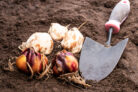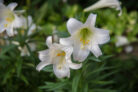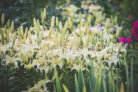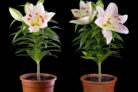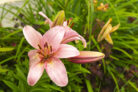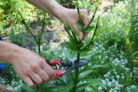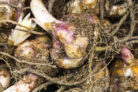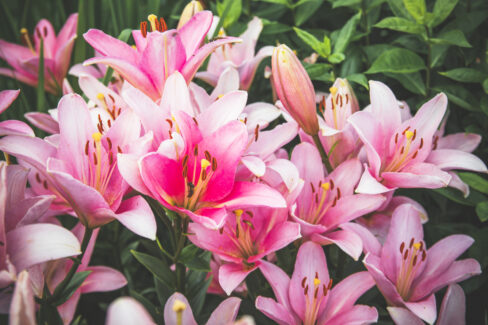
Lilies are some of the oldest ornamental plants in history. Originally hailing from Turkey and the Caucasus, you can now find these beauties growing all across the Northern Hemisphere. If you’re looking to add some to your own backyard, there are a few different ways to get them started.
Finding the Right Time to Plant
Even though lilies are famously low-maintenance, timing is everything if you want them to really thrive. When you should get them in the ground depends on how you’re starting them. Here are the best planting windows for success:
- Bulbs: Fall or Spring
- Seeds: Fall
- Potted nursery plants: Between March and May
Picking the Perfect Spot
Beyond just timing, choosing the right location is key. This means paying attention to both the light and the soil quality. Lilies have a bit of a “head in the sun, feet in the shade” personality—they love it when their blooms soak up the sun while their roots stay cool and shaded. Because of this, partial shade is usually their sweet spot. When it comes to the soil, drainage is the name of the game. Lilies hate “wet feet” (standing water), but they do love a nutrient-rich, moist environment. As for pH levels, they aren’t too picky—slightly acidic, neutral, or slightly alkaline soil all work just fine.
Give Them Some Breathing Room
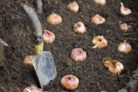
How much space you should leave between plants really depends on the specific variety you’re growing. For the big guys that like to spread out, like the Madonna Lily, you’ll want to give them at least three feet of space from their neighbors. Smaller varieties can be tucked in a bit closer. Regardless of the type, try to keep at least 8 inches (20 cm) between individual lilies so their root systems have plenty of room to stretch out and grow strong.