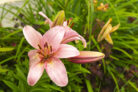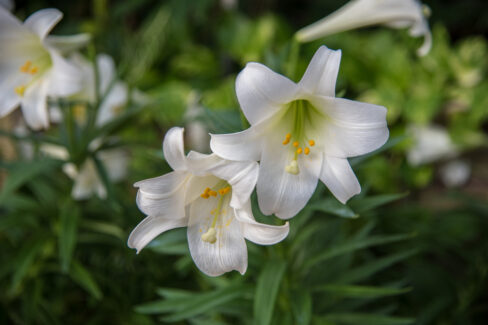
Lilies are some of the oldest ornamental plants known to man, and honestly, it’s easy to see why. Their stunning, elegant blooms have earned them a permanent spot not just in our backyard gardens, but in history and heraldry, too. They’re constantly giving roses a run for their money for the title of “Queen of Flowers.” Originally hailing from Turkey and the Caucasus Mountains, you can now find about 110 different species spread all across the Northern Hemisphere.
- Botanical Name: Lilium
- Plant Family: Liliaceae (Lily family)
- Type: Summer-blooming bulb
- Cultivation: Great for both garden beds and containers
- Height: 15 to 48 inches, depending on the variety
- Width: About 10 inches
- Colors: White, yellow, orange, purple, red, pink
- Bloom Time: Between May and August
- Overwintering: Hardy
- Propagation: Seeds or bulbs
The Best Spot for Your Lilies
When it comes to finding the perfect location, lilies are a bit like Goldilocks—they love partial shade. Ideally, you want a spot where the blooms get plenty of sunshine while the “feet” (the base of the plant) stay cool in the shade. It’s also a good idea to tuck them away from harsh winds and heavy downpours. As for the soil, lilies are big fans of nutrient-rich dirt. Just make sure it drains well; if the ground stays too soggy, your lilies might run into some health issues.
Watering Tips
Getting the watering right is a huge part of lily care. On one hand, lilies love moist soil, but on the other, they hate sitting in a puddle. The trick isn’t necessarily how much water you give them, but how consistently you do it—especially during those scorching summer months. Try to water them in the early morning or evening. If it’s really hot out, a quick drink at both times of day will keep them happy.
Feeding Your Lilies
When it comes to fertilizing, a little liquid fertilizer mixed into your watering can every now and then usually does the trick. If you’re growing your lilies in pots, you’ll need to feed them a bit more often. If you prefer a more natural approach, well-aged compost is a fantastic alternative. It doesn’t just provide nutrients; it also helps keep the soil nice and airy.
Pruning and Deadheading
Pruning isn’t just for making beautiful cut flowers for your kitchen table; it actually helps extend the blooming season. By deadheading (snapping off) wilted flowers right away, the lily stops putting energy into making seeds and focuses on pushing out new blooms instead. Once fall rolls around, it’s time for a real trim. Cut back the withered stems and leaves completely so the bulbs underground can store up all their energy for a big comeback next year.
Propagation
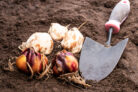
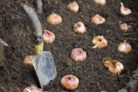
If you want to grow more lilies, you can use either bulbs or seeds. Often, you’ll find “baby” bulbs attached to the main mother bulb; you can just dig them up and replant them. If you’re feeling adventurous and want to try seeds, don’t deadhead the flowers—let them dry out on the plant so the seeds can ripen. While you can plant bulbs in either the fall or spring, seeds should definitely be sown between March and May.
Common Pests and Diseases
For the most part, lilies are tough cookies and don’t run into much trouble. However, diseases can happen, usually in the form of fungus if the soil stays too wet. Keep an eye out for:
- Stem rot
- Botrytis blight (gray mold)
- Fusarium wilt
Popular Varieties
With over 110 species out there, there are countless hybrids to choose from. Here are a few fan favorites that gardeners absolutely love:
- Madonna Lily
- Tree Lilies
- Martagon Lily (Turk’s Cap)
- Tiger Lily
- Fire Lily