When it comes to houseplants, palms really are in a league of their own. They handle warm indoor temperatures like champs and instantly give any room that “vacation at home” tropical vibe.
[[pflanzen]]
++European Fan Palm (Chamaerops humilis)
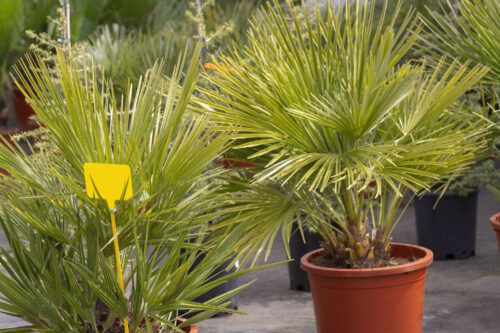
When grown in a container, the European Fan Palm (also known as the Mediterranean Dwarf Palm) usually tops out between three and six feet. This makes it a perfect fit for a living room, even when it’s fully mature. While it’s a slow grower, the wait is totally worth it for those stunning, fan-shaped fronds. It has a bushy, compact growth habit that looks great in tight spaces. For the best results, mix a little compost and some gravel or sand into your potting soil to ensure good drainage.
++Bamboo Palm (Chamaedorea seifrizii)
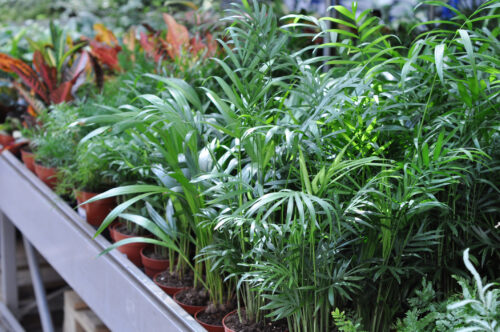
Originally hailing from East Asia, the Bamboo Palm has become a favorite for indoor gardeners everywhere. In the wild, these palms grow under the forest canopy, so they actually prefer shady or semi-shady spots. This makes them a fantastic choice for those corners of your home that don’t get much direct sunlight. Plus, they’re pretty low-maintenance, making them a solid pick for beginners.
++Ruffled Fan Palm (Licuala grandis)
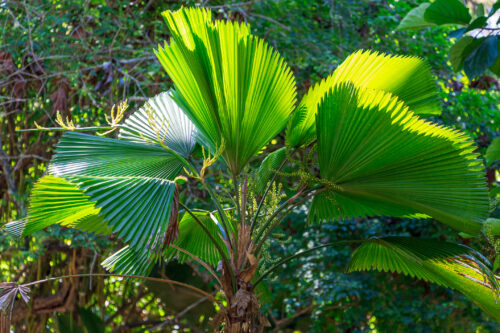
If you’re looking for a real showstopper, the Ruffled Fan Palm is it. Its large, circular, pleated leaves are incredibly striking and definitely a conversation starter. This isn’t a plant you’ll see in every house, so it’s great if you want something a bit more unique. While they produce bright red berries in the wild, don’t be disappointed if they don’t show up indoors—it’s pretty rare for them to fruit in a living room setting.
++Lady Palm (Rhapis excelsa)
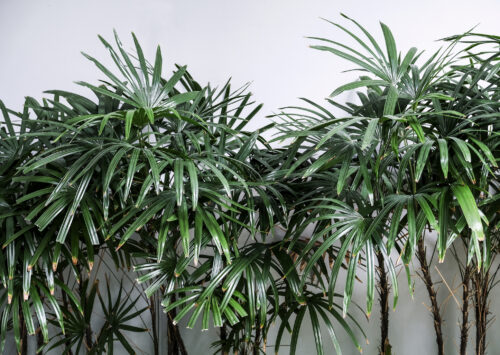
The Lady Palm is the best of both worlds: lush and leafy, yet incredibly easy to care for. It’s a great “starter palm” if you want to go big right away without the stress. Even seasoned plant parents love this one for its distinctive, finger-like fronds. It thrives in shade or partial light, so it’s a perfect candidate for brightening up a dimmer room.
++Parlor Palm (Chamaedora elegans)
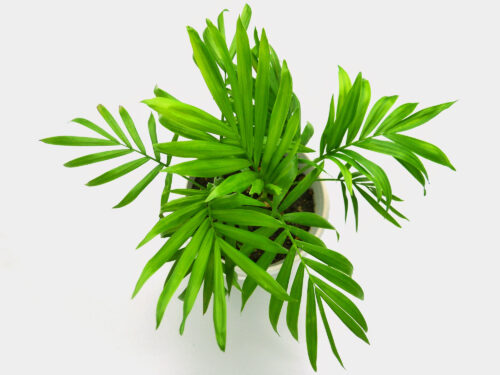
The Parlor Palm is a true classic—and for good reason! Its delicate, arching fronds look exotic but still keep a very tidy appearance. To keep those leaves looking vibrant and healthy, be sure to give it some standard palm fertilizer during the warmer growing months. It’s happy in either a bright spot or partial shade.
++Areca Palm (Dypsis lutescens)
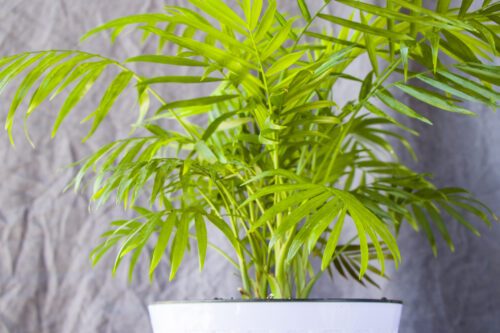
You’ve likely seen the Areca Palm (or Butterfly Palm) before—it’s an absolute staple in homes and offices. Its bright, lush green fronds bring a fresh, energetic feel to any space. It’s a fast-growing beauty, but just make sure you stay on top of its watering needs to keep it looking its best.
++Kentia Palm (Howea forsteriana)
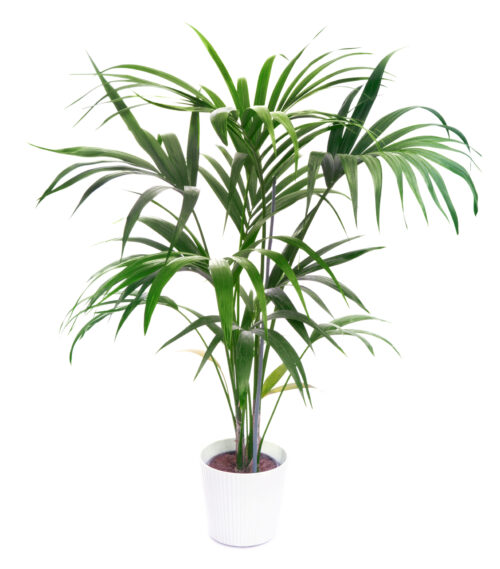
Often called the “Paradise Palm,” the Kentia Palm is native to Lord Howe Island near Australia. It has a beautiful, upright growth habit that makes it a perfect choice for filling an empty corner. To help it reach its full potential, give it a spot with plenty of indirect sunlight and make sure you’re fertilizing it correctly.
%%Yucca Cane (Yucca)
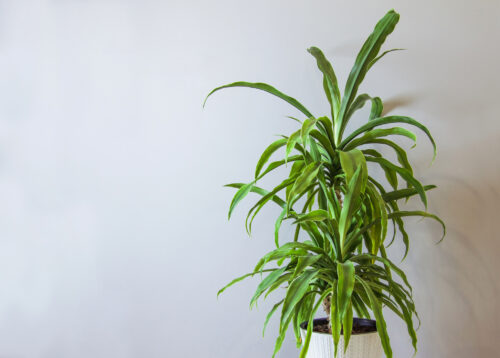
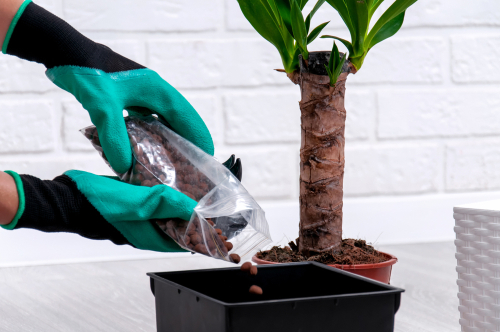
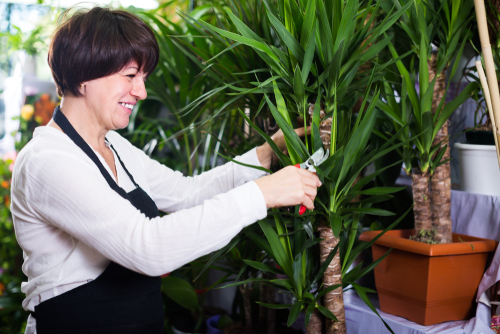
The Yucca is so popular that most people just call it by its botanical name. Fun fact: it’s technically not a “true” palm—it’s actually part of the asparagus family! However, with its sword-like leaves and woody trunk, it definitely fits the palm aesthetic. Since it’s a desert native, it’s incredibly hardy and usually only needs watering about once a week. It’s the ultimate low-effort, high-impact plant.