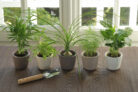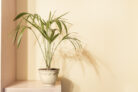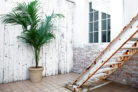
The Kentia palm loves nutrient-rich soil. That’s the secret to those lush, healthy fronds and steady growth. While palms can be a little picky about their “diet,” keeping them fed is actually pretty simple once you get the hang of it.
Choosing the Right Fertilizer
You’ll find plenty of specialized palm fertilizers at the garden center, available as either slow-release spikes or liquid concentrates.
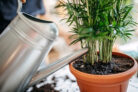
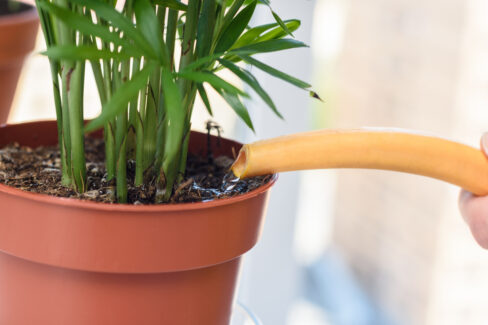
But here’s a pro tip: you don’t necessarily *need* a specialty product. If you already have a high-quality fertilizer for your other houseplants, that might work just fine. Just mix a liquid fertilizer into your watering can that has a good amount of nitrogen and potassium. A standard green foliage plant fertilizer usually does the trick!
Fertilize Moderately and Regularly
Even though your Kentia needs a steady supply of nutrients during the growing season, you don’t want to overdo it. If you notice yellowing leaves, it’s often a sign that the plant isn’t getting quite enough nutrients. During the peak growing months, feeding your palm with a liquid fertilizer once a month is usually the sweet spot.
Once late fall hits, it’s time to hit the brakes. Stop fertilizing and cut back on watering. This gives your palm a much-needed winter rest, allowing it to recharge so it can come back strong in the spring.
Annual Repotting
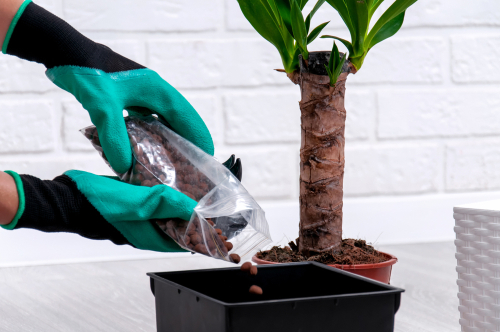
The foundation of a healthy Kentia palm is the soil (or substrate). It needs to be nutrient-dense but also well-draining. You can grab a bag of palm-specific potting mix at the store, or if you’re feeling like a DIY pro, you can mix your own.
The Perfect Kentia Potting Mix:
- 3 parts compost soil
- 1 part sand
- 1 part gravel
- 1 part lava granules
If you don’t have lava granules, expanded clay pebbles (LECA) work just as well. Make sure to add a layer of granules or pebbles at the bottom of the pot for drainage. Kentias like to stay consistently moist, but they absolutely hate “wet feet” or standing water.
I recommend repotting your Kentia palm every year, ideally in early spring. Aim to do this about three weeks before you start your first fertilization of the season. For those first two feedings after repotting, use a lighter dose of fertilizer since the fresh soil is already packed with nutrients!