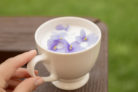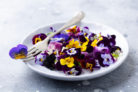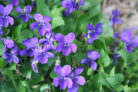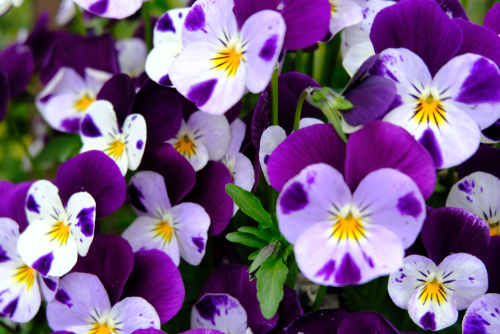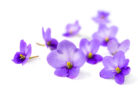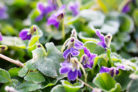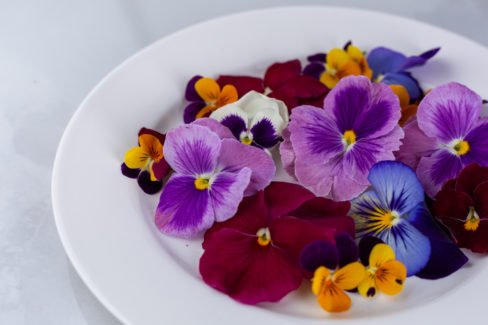
If you decide to grow violets in your garden, you’re in for a real treat early in the season. You’ll get those vibrant, delicate blue blooms that—especially in the case of Sweet Violets and Wood Violets—fill the air with an incredible fragrance. Best of all? Violets are completely non-toxic for both humans and pets. In fact, *Viola* species are edible, healthy, and packed with healing properties.
Violets: Edible Flowers with Healing Power
Folks have known about the medicinal benefits of violets for hundreds of years. Whether you’re using fresh or dried flowers to make teas, compresses, or violet oil, these little plants pack a punch. They are known for:
- Cooling relief for headaches, abscesses, and sores
- Calming effects to help with insomnia
- Pain relief for the flu, headaches, rheumatism, and gout
- Acting as a mild natural laxative
- Reducing swelling for things like pink eye
- Acting as an expectorant for coughs
- Soothing a scratchy, hoarse throat
- Antibacterial properties
- Improving circulation
- Helping stop bleeding in minor cuts
To get the most out of those active compounds, try to harvest your violets early in the morning while they’re in full bloom.
Violets in the Kitchen
Violet blossoms aren’t just good for you; they’re delicious! They have a unique, floral aroma that works beautifully in desserts and baking. Here are a few ways to use them:
- Candied in sugar as a gorgeous cake decoration
- Mixed into rice to create a fragrant “perfumed” rice
- Adding a pop of color to soups and stews
- Spicing up a fruit salad
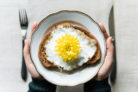
- Dressing up a simple piece of bread and butter
- Giving sauces a sophisticated finishing touch
Don’t stop at the flowers, though—the leaves are edible too! The best time to harvest both is between March and June. You can use them fresh or dried. The leaves are a fantastic addition to a wild herb salad, but they’re also tasty enough to eat on their own. If you’re a fan of green smoothies, try tossing in some violet leaves for a fresh flavor boost. Since every part of the plant is non-toxic and tasty, feel free to get creative in the kitchen!
A Quick Word of Caution
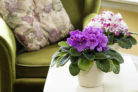
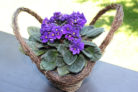
When people hear the word “violet,” they often think of the African Violets sitting on their windowsills. Just a heads-up: those aren’t actually part of the *Viola* family. They belong to the *Gesneriaceae* family and are toxic if eaten. Make sure you stick to garden violets and keep the African Violets strictly for decoration!