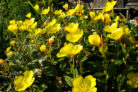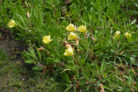
Most people wouldn’t guess it just by looking at them, but evening primroses are actually incredible edible wild plants with a long history as a healing herb. Folks have been hip to their medicinal perks since the 16th century, and back then, they were a staple in the kitchen as a tasty, reliable vegetable. If you’re looking for a new addition to your backyard, planting evening primrose is definitely worth it!
Don’t worry—these parts of the evening primrose are totally edible
Evening primrose isn’t just a treat for the eyes with those bright yellow blooms; it’s a treat for the palate, too. You can use pretty much every part of the plant in your cooking—leaves, flowers, buds, seeds, shoots, and even the roots. Trust me, once you start experimenting with it, you’ll be glad you added this versatile plant to your garden.
Cooking with flowers and buds
Those gorgeous blossoms and buds aren’t just for show. You can toss them into a fresh summer salad or brew them into a soothing tea. They also make a stunning edible garnish for fancy dinners or a simple, rustic snack on top of some buttered bread.
Using leaves, seeds, and roots in the kitchen
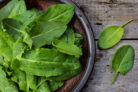
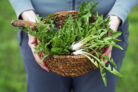
You can prepare the leaves much like you would spinach, but here’s a pro tip: harvest them before the plant starts to flower for the best flavor. Beyond the flowers and leaves, the seeds are little flavor bombs. Try grinding them up and sprinkling them over your morning cereal or a salad for a nutritional boost. And if you’re feeling adventurous, don’t toss the roots! You can eat them raw or cooked in soups and stews. Taste-wise, they’re very similar to black salsify (parsnip-like but earthier).
Does evening primrose really have healing properties?
People discovered the medicinal benefits of evening primrose centuries ago, and it’s still popular today for both internal and external use. It’s widely believed to help boost the immune system and even assist in lowering cholesterol levels.
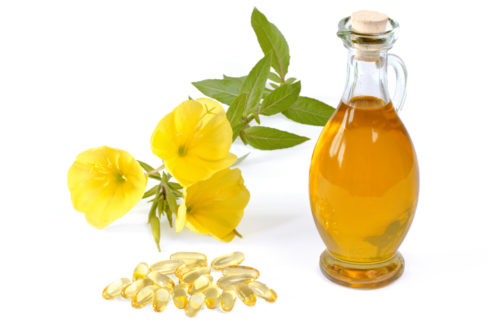
The real superstar, though, is evening primrose oil. Extracted from the seeds, this oil is packed with gamma-linolenic acid, which helps fight inflammation and can help lower blood pressure. If you use it topically, it’s a go-to natural remedy for soothing eczema and easing rheumatic aches and pains.