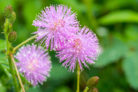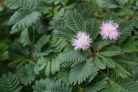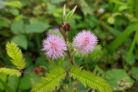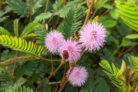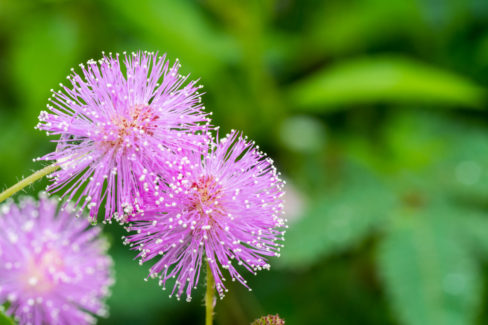
Sensitive plants (Mimosa pudica) originally hail from the tropical regions of South America, which means they’re used to balmy temperatures and plenty of humidity. They really can’t stand the cold, and even when kept as houseplants, they aren’t naturally hardy enough to handle a typical winter without some serious TLC.
Sensitive Plants Aren’t Winter-Hardy
Because of their tropical roots, Mimosa plants crave warmth and moisture. Even though we usually keep them as houseplants here, they are still quite delicate when the temperatures start to drop.
Treating Mimosa as Annuals
To be honest, getting a Mimosa to survive the winter can be a bit of a challenge. Plus, these tropical beauties often start to look a little “tired” and lose their lush appearance after their first year. Because of this, many gardeners find it easier to treat them as annuals. You can simply start fresh from seed or pick up a new plant every spring.
How to Overwinter Your Mimosa
If you’re up for the challenge and have a little luck on your side, you can definitely try to help your Mimosa pull through the winter. To succeed, you’ll need to pay close attention to a few specific needs:
- A very bright spot
- Consistent warmth
- High humidity levels
The Perfect Spot
The best location for your Mimosa is somewhere with plenty of light. However, you’ll want to avoid harsh, direct midday sun. Window glass can actually act like a magnifying glass and scorch those delicate leaves! An east- or west-facing window is usually your best bet.
Keep it Warm
Temperature is a huge factor in keeping your Mimosa happy. Even in the winter, they prefer to stay between 65°F and 72°F (18-22°C). If the temperature dips below 54°F (12°C), you’re looking at permanent damage, like dropping leaves or a total lack of blooms later on.
Boost the Humidity
Since they’re tropical natives, Mimosa plants need a lot of moisture in the air—ideally between 50% and 60% humidity during the winter months.
The big challenge is that heaters and fireplaces tend to dry out our indoor air. Make sure to keep your plant away from radiators or vents. Instead, try placing bowls of water nearby to add moisture to the air. One pro tip: avoid misting the leaves directly. These plants are called “sensitive” for a reason, and they don’t always react well to being sprayed!