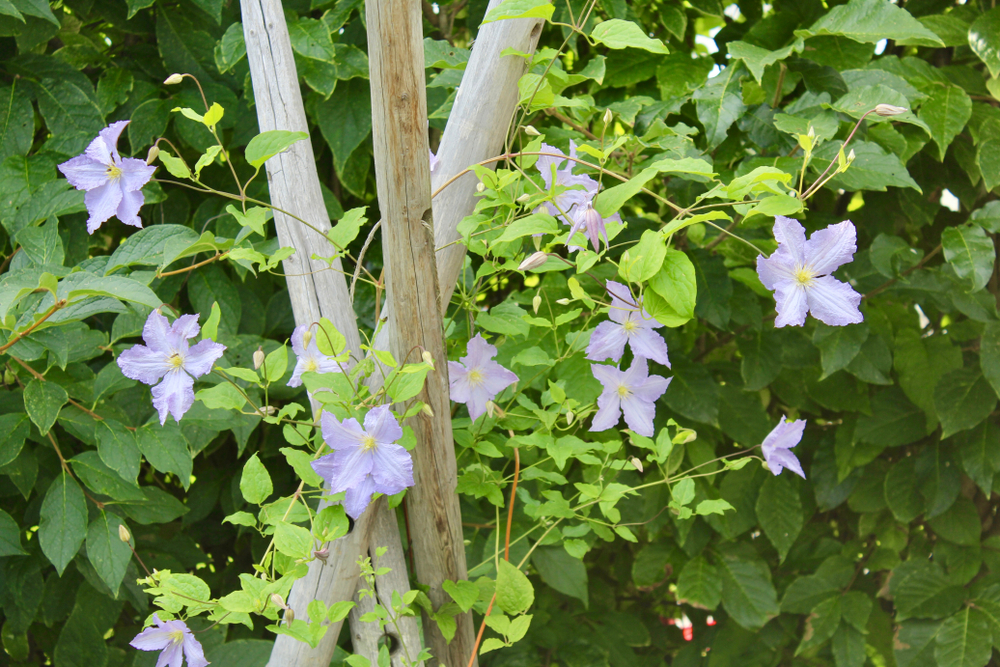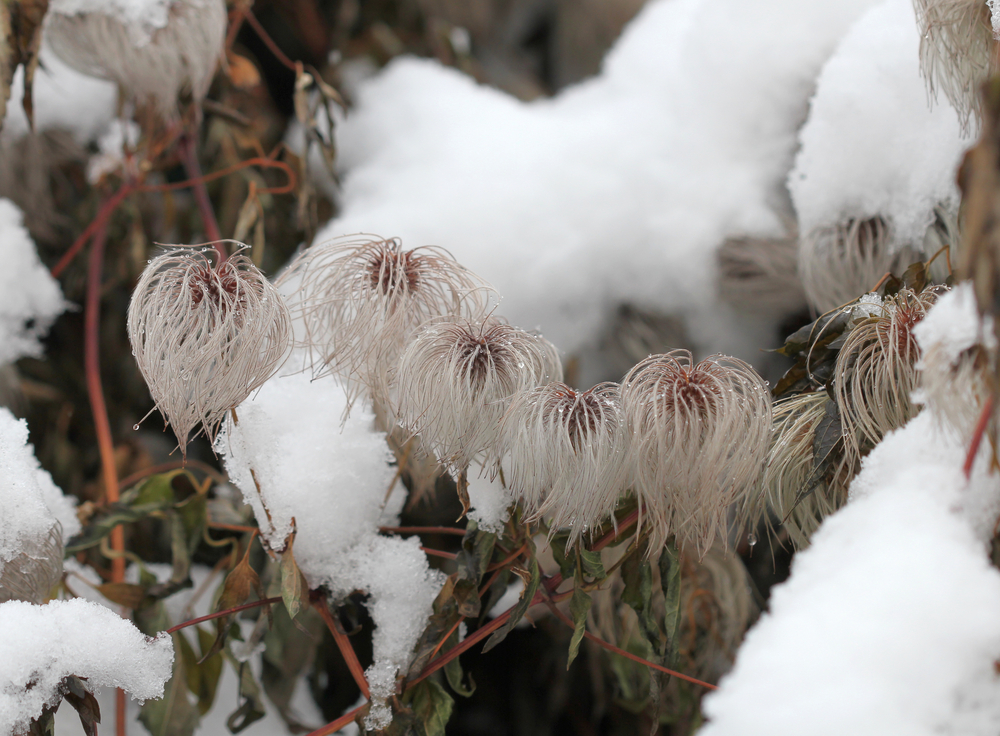
Clematis vines are found all over the globe, which means they’re a pretty diverse bunch. Among the 300 or so different varieties out there, you’ll find everything from rugged types that can handle a polar vortex to delicate beauties that crave a tropical breeze. Because of that, you’ll want to be a little picky when choosing the right one for your backyard.
The Winter Warriors
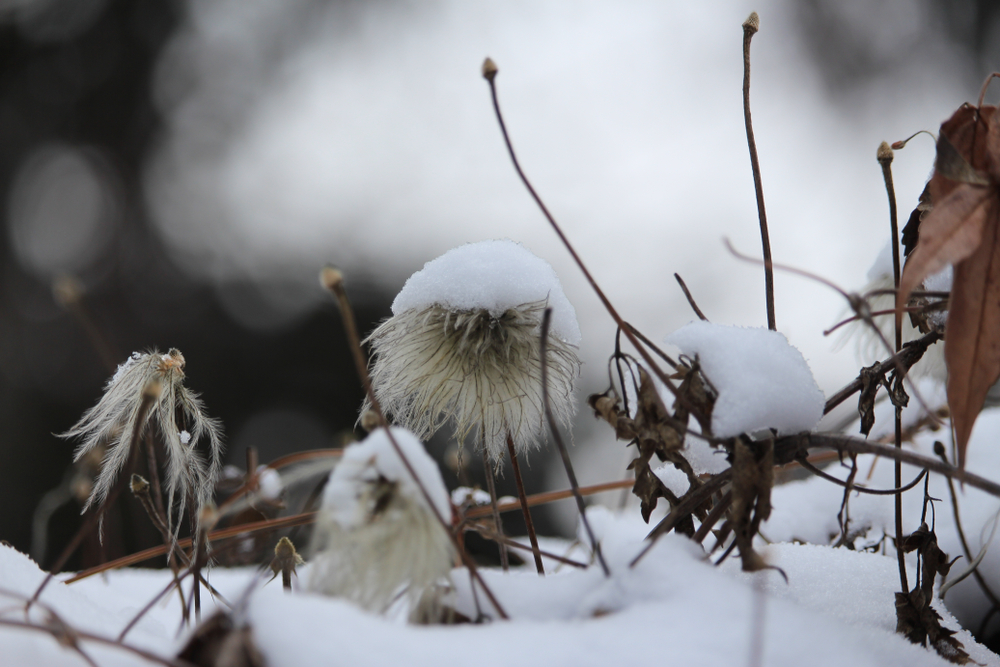
If you’re looking for a clematis that can shrug off a deep freeze, you’re usually looking at the early-blooming varieties. These guys are tough as nails:
- Clematis alpina (Alpine Clematis): This one is a tank—it can handle just about any sub-zero temperature you throw at it.
- Clematis orientalis and tangutica: These are great, hardy options for colder climates.
- Clematis macropetala: Hailing from Mongolia and parts of China, this variety is naturally built to withstand harsh conditions.
The “Maybe” Varieties (Moderately Hardy)
The second group consists of clematis varieties that *can* stay outside all winter, but they’re going to need a little extra TLC from you to survive the frost. This group includes:
- Clematis florida
- Clematis montana
- Clematis napaulensis
The easiest way to keep these safe is to wrap the vines on their trellis with some garden fleece or burlap. It’s also a smart move to mulch the root area heavily with leaves or straw. You definitely want to have these protections in place once the thermometer hits about 15°F (-8°C) or lower.
The Indoor Crowd
Then, there are the varieties that just aren’t built for a snowy winter. In most parts of the US, these should really only be grown in containers. These are usually evergreen types originally from places like Australia, New Zealand, or Southern Europe. When the cold hits, they need to move into a bright, frost-free spot indoors. Keep an eye out for these:
- Clematis armandii
- Clematis kweichowensi
- Clematis cirrhosa
- Clematis forsteri ‘Cartmanii’
Don’t Forget the Water!
Here’s a pro tip: if you’re having a dry winter with lots of frost but not much snow, don’t put the watering can away just yet. During those stretches where the ground isn’t frozen, give your plants a drink. They can actually dry out and die of thirst during the winter just as easily as they can in the summer!