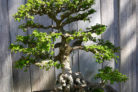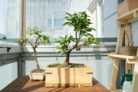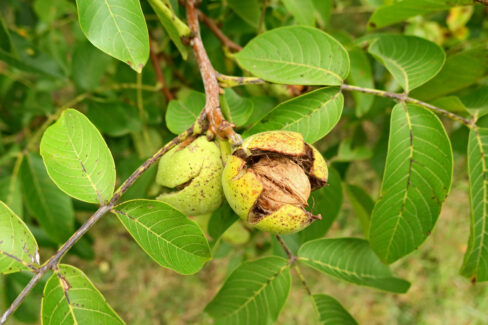
A standard walnut tree needs a massive amount of space in the yard because of its sprawling growth habit. But what if you’re short on space? You might find yourself wondering if you can grow a walnut tree as a bonsai instead.
Walnut trees aren’t naturally suited for bonsai
Generally speaking, walnut trees are among the plant species that are either impossible or very difficult to train as bonsai. The main issue is their sheer size. Once they reach maturity, these giants can tower up to 100 feet tall. Plus, their thick, long root systems aren’t naturally built for life in a tiny pot.
Walnut bonsai: Think big, not tiny
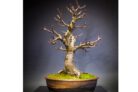
When most people think of bonsai, they imagine tiny trees sitting on a windowsill. Most of those are kept as houseplants, too. Unfortunately, neither of those scenarios works for a walnut tree. For starters, they aren’t meant to live indoors, and they refuse to stay “miniature.” The best you can hope for is a “large-scale” bonsai that stands at least three feet tall. Additionally, you can’t really start the bonsai shaping process until the tree is about four years old.
Training your walnut bonsai
You’ll need to perform the first root pruning after the tree is two years old. The goal here is to gradually shorten the taproot by about a third at a time.
- After the first two years, trim the taproot back by one-third.
- Place the walnut tree back into its pot.
- Wait at least another two years, then trim the taproot by another third.
- After that, you can move on to the actual structural pruning and shaping.
Caring for your walnut bonsai
Taking care of a walnut bonsai requires a bit of a green thumb. You’ll want to place your tree in a sunny spot outdoors. Make sure to water it regularly, but be careful to avoid standing water (wet feet are a no-go!). Since the roots can’t reach out into the ground to find their own food, regular fertilizing is a must.
Regular pruning is essential to maintain that classic bonsai shape. However, try to do your trimming in August or September. Walnut trees are known to “bleed” sap heavily; if you prune in winter, the tree is at risk of frost damage, whereas summer pruning allows the “wounds” to heal much faster.