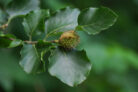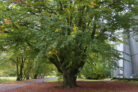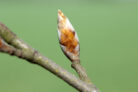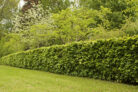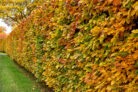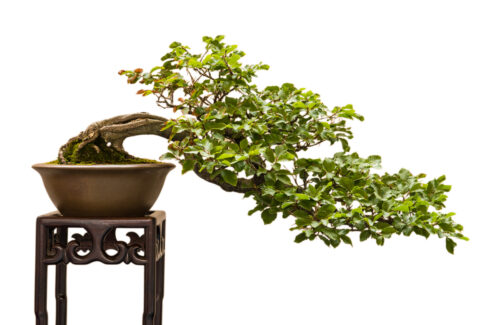
European Beeches (Rotbuche) are a huge favorite in the bonsai world, and for good reason! They’re incredibly hardy and handle pruning like a champ. Just a heads-up, though: you’ll need a little bit of patience. It takes some time for a young seedling to transform into that classic, dignified bonsai look.
Finding the Perfect Spot for Your Beech Bonsai
Your European Beech is going to be happiest in a semi-shaded spot away from harsh, direct midday sun. Because bonsai pots are so shallow, they can overheat quickly in the sun, which leads to scorched leaves. On the flip side, don’t tuck it away in a dark corner—if it doesn’t get enough light, the tree will start growing oversized leaves to compensate.
Soil and Soul
If you’re not picking up a pre-mixed bonsai soil, you can easily whip up your own custom blend using:
- Akadama (fired clay granules)
- Lava rock
- Humus
Even with a well-draining mix, make sure your pot has plenty of drainage holes. Beeches are a bit picky—they hate “wet feet” (standing water), but they can’t handle being bone-dry for too long either. Your best bet is to water regularly with soft water (low lime) and ensure any excess drains away. During the growing season from March to August, keep your tree happy with regular feedings of fertilizer.
Pruning Your Beech Bonsai
You can often find a great 2-to-3-year-old starter tree in a local forest, or you can start from scratch with beech nuts. Just keep in mind it’ll be a while before a seedling is ready for its first haircut. You can style a European Beech into almost any shape you like, though the “broom style” is usually a bit tricky for this species. Pruning happens twice a year: once in early spring before the first buds pop, and again in summer after the second growth spurt. In the spring, trim branches back to a single bud (and pluck off any unusually large buds before they open). In the summer, just trim back new growth to about three leaves to maintain the shape.
Wiring and Shaping
Wiring is the secret to that perfect bonsai silhouette. Since European Beeches develop very strong branches, it’s best to start shaping them while they’re still young. If you wait too long, the bark becomes stiff and is prone to cracking. Use tension wire to gently guide the shoots into your desired position. Just keep a close eye on it—you’ll want to remove the wire once the branch has “set” so it doesn’t scar the bark as the tree grows.
Repotting
Like all bonsai, your beech needs a little room service every now and then. Plan on repotting every two to three years. This is the time to give it a fresh pot and trim back the roots, which is the key to keeping the tree small and healthy for the long haul.