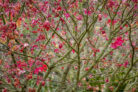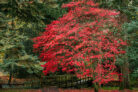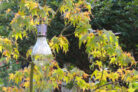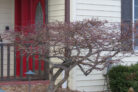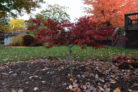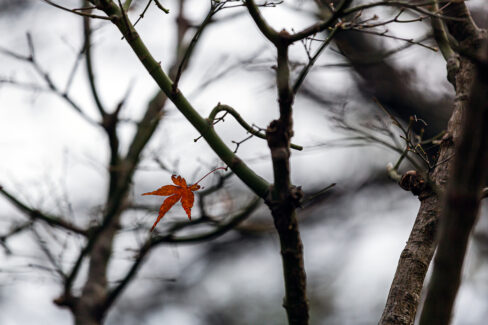
You can tell a lot about a plant’s health just by looking at its leaves and stems, and the Japanese Maple is no exception. If you’ve noticed your maple’s branches turning a dull gray, it’s time to pay attention. Here’s the lowdown on what those gray branches mean and how you can help your tree bounce back.
What causes gray branches on a Japanese Maple?
The most common culprit behind graying branches on a Japanese Maple is Verticillium wilt. This is a soil-borne fungus that hitches a ride inside the tree and spreads throughout its system. Because this fungus is tough to beat and spreads easily to nearby plants, a tree covered in gray branches can be hard to save. However, if you only see one or two gray twigs, it might just be a bit of drought stress or some lingering winter frost damage.
How can I save a maple with gray branches?
If you catch those gray branches early, you might be able to save smaller trees with some strategic pruning. The key is to act fast before the fungus takes a firm hold of the root system. Here’s your game plan:
- Grab a pair of sharp pruning shears and make sure the blades are thoroughly disinfected.
- Cut back any gray or dead branches completely.
- Carefully dig up the tree and remove as much of the old soil from the roots as possible.
- Give the roots a light trim.
- Replant your maple in fresh, high-quality substrate in a brand-new location.
Whatever you do, don’t toss those clippings into your compost pile! The fungus can survive there and spread to the rest of your garden.
Can gray branches actually kill my Japanese Maple?
Unfortunately, yes. Verticillium wilt is a serious threat. If the fungus reaches the roots and continues to spread through the vascular system, the tree will eventually die. Your best bet is to intervene early to stop the fungal infection in its tracks—otherwise, you may eventually have to remove the tree entirely.
How do I prevent gray branches in the first place?
Prevention is the best medicine! Choosing the right planting spot and keeping up with a good care routine will go a long way. Make sure your Japanese Maple isn’t baking in harsh, direct afternoon sun. Here are a few more pro-tips:
- Keep your maple fed by fertilizing between April and August.
- Make sure it has a sheltered spot to survive the winter months.
- Water regularly, but make sure the soil drains well—maples hate “wet feet” (standing water).
Pro-Tip: Don’t replant in the same spot!
If you’ve had a tree suffer from wilt, don’t plant a new Japanese Maple in that exact same hole. The fungus often lingers in the soil, so it’s much safer to pick a fresh location to ensure your new tree stays healthy and gray-free.