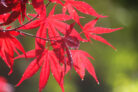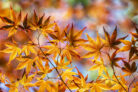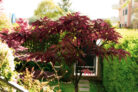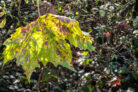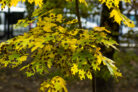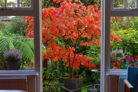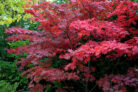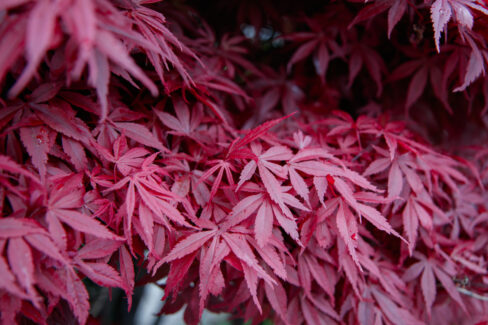
If you’re looking for a real showstopper for a sunny spot in your yard, you can’t go wrong with a Laceleaf Japanese Maple. These beauties are famous for those deeply lobed, delicately “shredded” leaves and stunning colors. They usually stay medium-sized and grow in a gorgeous umbrella shape, which makes them a perfect focal point or “specimen” tree in any landscape.
Common Issues with Laceleaf Maples
Even though they’re relatively hardy, there are two fungal problems you’ll want to keep an eye out for:
- Powdery Mildew
- Verticillium Wilt
If left alone, these can really do a number on your tree. The good news? Powdery mildew is pretty easy to fix with stuff you probably already have in your kitchen. The bad news? Verticillium wilt is a much tougher opponent, as there aren’t any effective fungicides or quick home fixes for it.
Dealing with Powdery Mildew
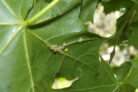
You’ll know you have powdery mildew if you see a fuzzy, grayish-white coating on the leaves. If you don’t treat it, the leaves will turn brown and drop off prematurely. Luckily, a simple mix of milk and water works wonders. First, prune away any infected leaves or twigs and toss them in the trash (don’t compost them!). Then, mix up this spray:
- 1 quart of rainwater (or tap water)
- 1/2 cup of fresh milk
- A tiny drop of dish soap
Spray this mixture on the tops and bottoms of the leaves every two days until the fungus is gone.
The Battle with Verticillium Wilt
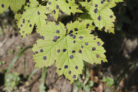
This one is much more serious. It’s a soil-borne fungus that enters through the roots and basically “clogs” the tree’s plumbing. The first signs are usually a few wilted leaves or dead branches that show dark brown, ring-shaped stains inside the wood if you cut into them. It usually starts at the bottom of the tree and slowly works its way up until the whole tree dies. Here is your game plan if you spot it:
- Prune back any diseased branches aggressively—cut all the way back to healthy wood if possible.
- Burn the clippings or put them in the trash. This fungus is highly contagious, so you don’t want it hanging around.
- If the tree is small enough, you might be able to save it by transplanting your Japanese Maple into fresh, clean soil.
Unfortunately, there’s no “magic pill” fungicide on the market for this yet. If the infection is caught early, heavy pruning and moving the tree to a better spot can work. When replanting, use airy, well-draining soil (mixing in about one-third rhododendron soil works great). Since soggy roots help the fungus spread, always make sure your maple has excellent drainage!