Japanese Maples aren’t exactly the biggest fans of the pruning shears compared to other trees, but sometimes a little maintenance is necessary. If you spot sick or dead branches, you’ve got to step in. Here are my go-to tips for getting your maple back in shape.
Why are my Japanese Maple branches dying back?
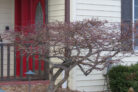
If you notice a few dead branches on your Japanese Maple, the usual suspects are drought, extreme cold, or a fungal infection. You really want to act fast if it’s a fungus. If left alone, the infection can spread through the whole plant, killing off more branches or even damaging the roots. A smart, clean prune can help stop a fungal infection in its tracks. Even if the branches are just dried out from a dry spell, it’s still a good idea to clear them out.
The tricky part about pruning Japanese Maples
One thing to keep in mind is that Japanese Maples tend to “bleed” quite a bit when you prune them. If the sap pressure is high, you’ll see a lot of liquid oozing from the cuts. To keep your tree happy and healthy while removing dead wood, follow these steps:
- Always use a sharp pruning tool.
- Disinfect your blades before you start.
- Don’t cut too far back—stop at the next healthy side shoot.
- Make sure your cuts are clean and smooth.
- For larger wounds, use a wound dressing or pruning sealer to help it heal.
Can I remove dead branches from the canopy?
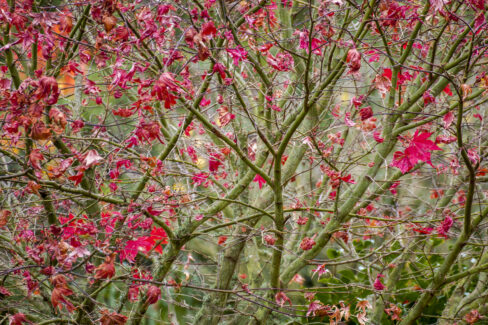
Removing a few dead branches from the crown of your Japanese Maple is usually no big deal. As long as you do a thorough pruning job with a clean blade, your Acer should handle it just fine. Just keep an eye on the area for a few weeks afterward, and the tree should bounce back nicely.
How to handle dead wood on your Japanese Maple
First, give your tree a good check-up for fungal issues. If you see weird changes in the bark, a lot of gray branches, or signs of Verticillium wilt, you might need to take more drastic measures. In those cases, saving the tree often requires pruning the roots and repotting it in entirely fresh soil.
Pro Tip: Location is everything!
Try to plant your Japanese Maple in a spot that’s protected from the wind. Harsh, cold winds can cause frost damage or “dieback,” which is often why those individual branches end up biting the dust in the first place. A sheltered location makes a world of difference!