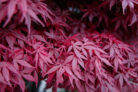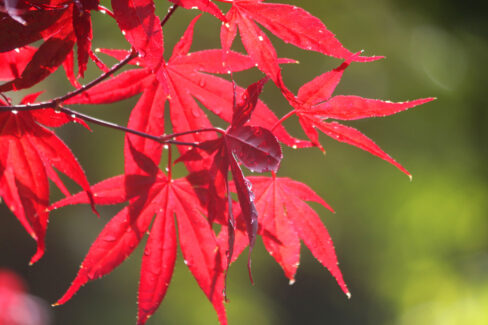
Japanese Maples are actually pretty tough little trees, but they aren’t invincible. There are a few diseases that can really ruin a gardener’s day, with Verticillium wilt being the biggest troublemaker of the bunch. Here’s the lowdown on how to spot the signs and what you can do to nurse your Red Japanese Maple (or any of its cousins) back to health if things go south.
When do fungal issues strike?
Generally speaking, a well-loved Japanese Maple planted in the perfect spot rarely gets sick. Good maintenance is honestly your best defense! But if your tree does start looking a bit peaky, it’s usually due to a fungal infection.
You might run into powdery mildew, but the real heavy hitter is Verticillium wilt. If you spot powdery mildew, it’s often just a sign that the tree is stressed from a dry spell—upping your watering game during droughts usually clears that right up.
One quick tip: watch *how* you water. Japanese Maples hate having soggy leaves. When you combine wet foliage with warm temperatures, you’re basically rolling out the red carpet for fungi. Always aim your hose at the base of the trunk rather than spraying the leaves.
Spotting and treating Verticillium wilt
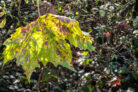
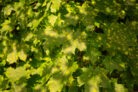
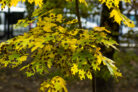
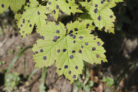
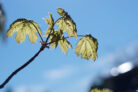
Wilt disease is a sneaky one because it starts in the soil and works its way up. The fungus enters the tree and begins clogging up its “plumbing,” blocking the flow of water and nutrients. You’ll notice the leaves starting to wither first, followed by dieback on the branches. If left unchecked, the whole tree can eventually dry up and die.
Here’s your game plan:
- Move the tree to fungus-free soil
- Give it a good pruning
- Double down on TLC
I’ll be honest with you: Verticillium wilt is tough to beat. There isn’t a “magic” fungicide out there that cures it yet. However, if you catch it early, you might just save your tree. Your best bet is to dig the tree up and replant it in a container. While you’re at it, give the branches a heavy prune and completely swap out the old soil around the roots for fresh, clean potting mix. With a little luck, you can cut off the fungus’s food supply and give your maple a second chance at life.