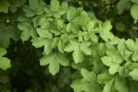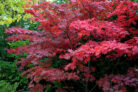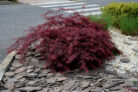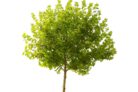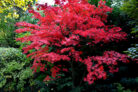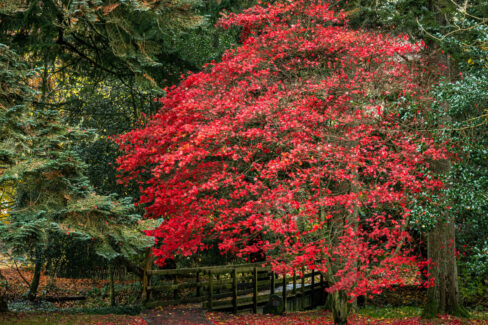
Moving a Japanese Maple isn’t a decision to make on a whim, but sometimes it’s exactly what your tree needs to thrive. Maybe the current spot just isn’t working out, or perhaps your tree has outgrown its space and needs more room to breathe. Whether you’re dealing with a classic Red Japanese Maple or another variety, here’s the lowdown on how to transplant it successfully.
When Does Moving Your Tree Actually Make Sense?
As a general rule of thumb, moving smaller, younger trees is a breeze compared to tackling a mature one. The reason? Large, established root systems are incredibly difficult to dig up without causing damage—and mangled roots can really put your tree’s health at risk. Ideally, you want to move a Japanese Maple before it hits the four-year mark. After that, I’d only recommend a move if it’s absolutely necessary. Otherwise, you might be putting the tree under unnecessary stress.
Here are a few “green lights” for transplanting:
- Your maple isn’t getting enough sunlight in its current home.
- The soil quality is poor and the tree is struggling to grow.
- The location has developed drainage issues or standing water.
- The soil has become infected with Verticillium wilt (wilt disease).
The Best Timing for a Successful Move
Timing is everything! You’ll want to move your Japanese Maple when it’s dormant—meaning after the leaves have fallen for the season. This allows the tree to put all its energy into establishing new roots rather than trying to maintain foliage. The sweet spot for this is usually between November and April. Giving the branches a light trim during the move can also help the tree settle into its new home more easily.
Once it’s in the ground, give your maple a good, long drink. It’s going to need more water than usual while those roots are getting settled. You can mix a little compost into the soil before you plant it in the ground or a container, but be careful not to go overboard. Most Japanese Maples don’t like to be over-fertilized. This is especially true for red varieties—if you give them too much “food,” those stunning, vibrant leaf colors can actually start to fade. Keep it moderate, and your tree will thank you!