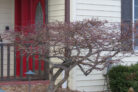
With its stunning foliage, the Japanese Maple is easily one of the most decorative maple varieties you can find. In this post, we’ll dive into what makes this tree’s leaves so special and how to spot common foliage problems before they get out of hand.
What color are Japanese Maple leaves?
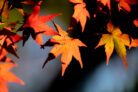
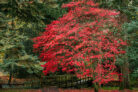
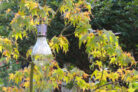
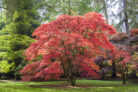
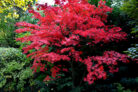
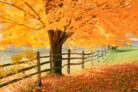
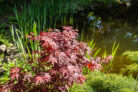
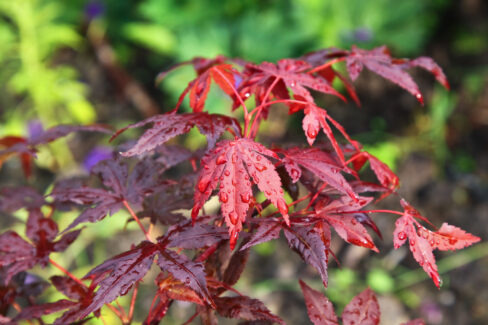
The Japanese Maple (Acer japonicum) is famous for its intense colors, ranging from deep reds and bright yellows to vibrant oranges. The exact shade depends on the specific variety and the time of year. By late summer, most types take on a brilliant scarlet hue. This striking fall color makes the Japanese Maple a real showstopper in any garden.
What is the shape of a Japanese Maple leaf?
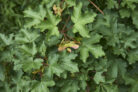
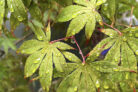
While the shape can vary between cultivars, they all share that classic, pointed-lobe “maple look.” Compared to native varieties like the Sycamore Maple, the Japanese Maple’s leaves are usually more delicate and elegant. This refined foliage is a big reason why these trees are so popular for bonsai or as statement pieces in patio containers.
What leaf changes signal a sick tree?
If you notice wilting or strange discolorations, your tree might be trying to tell you something is wrong.
- White spots usually mean powdery mildew.
- Sticky leaves are a classic sign of an aphid infestation.
- Wilting leaves combined with dying branches could point to Verticillium wilt.
- Crispy, withered tips are often the result of sunburn.
If your Japanese Maple’s leaves are dying off due to drought, give it a good, deep soak. If you’re dealing with a fungal issue, a heavy prune is usually the best bet. Just make sure to use sharp, disinfected pruning shears before you start cutting!
Pro Tip: Focus on the soil!
Generally, you want to plant your tree in well-draining soil packed with nutrients. If you fertilize this low-maintenance beauty occasionally and keep an eye on the soil’s pH level, you aren’t just helping the root system—you’re also ensuring those famous leaf colors stay as vibrant as possible.