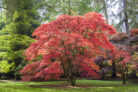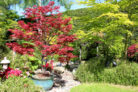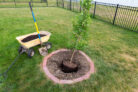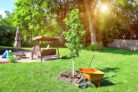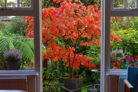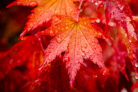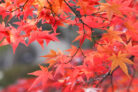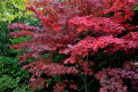
Known to gardeners around the world as the Japanese Maple, *Acer palmatum* is a total showstopper thanks to its stunning foliage. If you’re looking for a real pop of color, the Red Japanese Maple offers a color show that’s hard to beat. But if you want your tree to grow that lush, iconic canopy, you’ve got to get the planting part right. Here’s the lowdown on how to get started.
Picking the Perfect Spot
The Japanese Maple really thrives in a spot that’s protected from harsh winds but still gets plenty of sun. Red varieties, in particular, love soaking up the rays to keep their color vibrant. However, you’ll want to make sure your tree isn’t baking in intense, direct heat all day long. A spot with full sun to partial shade works best—just try to ensure there’s a little afternoon shade to give the tree a break during the hottest part of the day.
Here’s what makes a Japanese Maple happy:
- Plenty of sunlight, but soil that doesn’t bone-dry
- Well-draining soil (no “wet feet” or standing water!)
- Neutral to slightly acidic soil pH
The ground beneath your tree is just as important as the sun above it. You’ll want to plant your Japanese Maple in loose, well-draining soil. Ideally, your dirt should be a mix of soil, sand, and organic matter like humus. These trees do great in neutral or slightly acidic soil, but they tend to struggle if the pH is too alkaline (basic).
When is the Best Time to Plant?
Japanese Maples are slow growers, which means they need plenty of time to get settled before the first frost hits. The best time to plant is in the spring, right after the danger of frost has passed. If you bought a container-grown tree, you can technically plant it year-round, but late May or June is usually the sweet spot. The warm soil gives the roots months to establish themselves and get firmly anchored before winter.
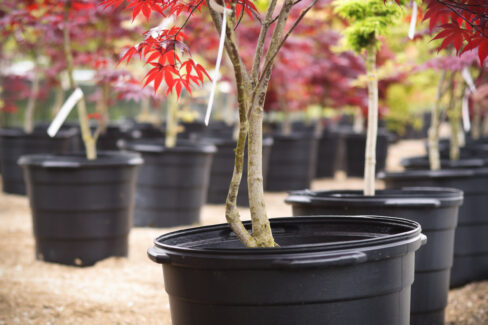
Don’t forget to give your tree some elbow room! These beauties are best planted as “specimen trees” (on their own). A full-grown Japanese Maple can reach a spread of 10 to 13 feet wide. If it’s cramped, it won’t reach its full potential or grow into that gorgeous shape we all love. And hey, if you’re short on yard space, you can always plant your Japanese Maple in a large container!