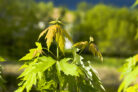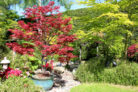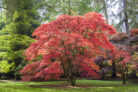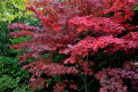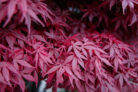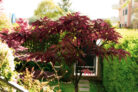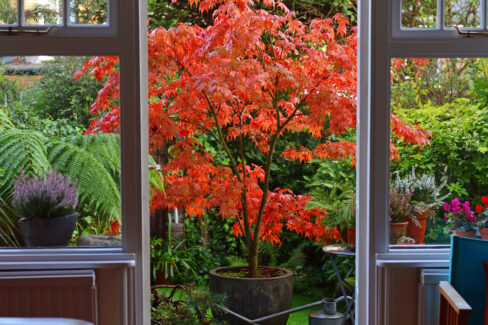
Originally from Japan, the Japanese Maple is becoming a superstar in gardens all over the world. The Red Japanese Maple, in particular, is a total fan favorite. But if you want those leaves to keep their iconic, vibrant color, you have to be careful with your feeding routine. Here’s the lowdown on how to fertilize your maple the right way.
Why you shouldn’t overdo the fertilizer
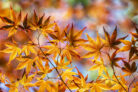
Even though Japanese Maples love nutrient-rich soil, you actually want to be pretty stingy with the fertilizer. If you overfeed them, you’ll miss out on that spectacular autumn show. Too much nitrogen can actually prevent the leaves from turning those deep reds and oranges you’re looking for. Definitely a situation where “less is more!”
Keep in mind that sunlight plays a huge role, too. Red Japanese Maples especially need plenty of sun to develop their best colors. If it’s a particularly cloudy autumn, the colors might be a bit muted. Your planting location is key here—make sure your red maple is in a spot where it can soak up enough light.
The best fertilizers to use:
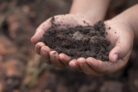
- Finished compost
- Organic fertilizers
- Specialized maple fertilizer (for potted plants)
Choosing and applying your fertilizer
The type of “food” you choose makes a big difference for your tree’s health. I always recommend sticking with organic options for Japanese Maples. Usually, a nice layer of compost twice a year is all they need. Aim for your first application in April to kick off the growing season.
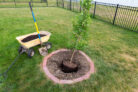
One quick tip: Japanese Maples have shallow root systems. You don’t need to dig deep at all when you’re working that compost into the soil—just a light touch will do so you don’t damage the roots. Give them their second feeding at the end of June. If the tree looks like it needs a little boost, you can do a tiny bit more in August, but stop there. You don’t want to encourage new growth too late in the season when frost is around the corner.
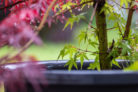
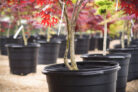
If you have a Japanese Maple in a container, the rules change slightly. Since potted trees can’t pull nutrients from the ground, they need to be fed a bit more frequently. For these guys, I’d suggest using a specialized maple fertilizer from your local garden center to keep them happy and healthy.