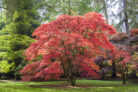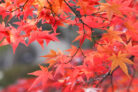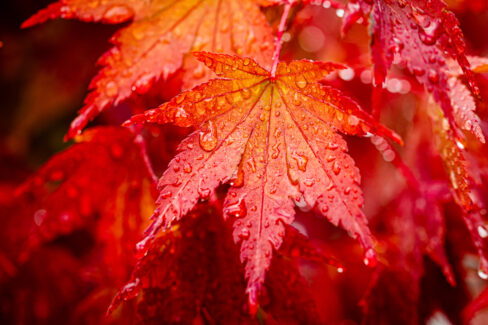
Gardeners all over the world are obsessed with the stunning foliage of the Japanese Maple—and honestly, who can blame them? Whether you’re looking to grow a classic green variety or a striking Bloodgood, propagating these beauties is totally doable. Just a heads-up: you’ll need a little bit of patience, as they aren’t exactly “overnight” growers. Here’s the lowdown on how to expand your collection.
Ways to propagate:
- Growing from seed
- Taking cuttings
- Air layering
Growing from Seed
You can easily harvest seeds from a Japanese Maple yourself. The tree blooms in the summer, and by fall, those flowers turn into those iconic little winged seeds (we used to call them “helicopters” as kids!). One important thing to remember: Japanese Maple seeds are “cold stratifiers,” meaning they need a period of cold to wake up and germinate. You’ll either need to keep them outdoors over winter or give them a “fake winter” in your refrigerator.
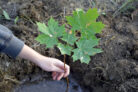
If you’re feeling low-maintenance, you can sow the seeds directly in the garden spot where you want the tree to grow. Just be prepared to wait—it can sometimes take over a year for those seeds to finally sprout. Pro tip: Keep an eye out around the base of an established tree; you might even find some “volunteers” (baby seedlings) already growing that you can carefully transplant!
Propagating with Cuttings
The best time to take cuttings is between May and June. Look for shoots that are starting to firm up but aren’t fully woody yet. Always use a sharp, sterilized blade—clean tools are the best way to prevent disease and give your new plant a healthy start.
Here’s your step-by-step:
- Cut a shoot about 8 inches (20 cm) long.
- Strip off the leaves from the bottom half of the cutting.
- Dip the cut end into some rooting hormone.
- Plant the cutting in a pot filled with high-quality seed-starting mix.
- Keep the humidity high by placing the pot in a small plastic greenhouse or covering it with a clear bag.
Propagating by Air Layering
If you’re feeling a bit more adventurous and have some gardening experience, air layering is a fantastic technique for Japanese Maples. You basically encourage a branch to grow roots while it’s still attached to the parent tree. You do this by making an upward slanted cut into the bark of a strong branch, propping the cut open slightly, and wrapping the area in damp sphagnum moss. Wrap the whole bundle in plastic wrap to keep the moisture in. After a while, you’ll see roots forming inside the moss. Once they look sturdy, you can snip the branch off and pot it up!