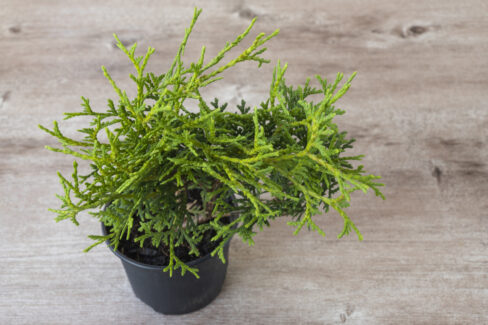
Root rot is a real headache for Thuja (Arborvitae) owners. It can take a hedge you’ve worked hard to plant and turn it into a brown mess in no time. Unfortunately, you can’t always save a tree once the rot sets in, so the best strategy is to stop it before it starts. Let’s dive into how you can keep your evergreens healthy and happy.
What Exactly is Root Rot?
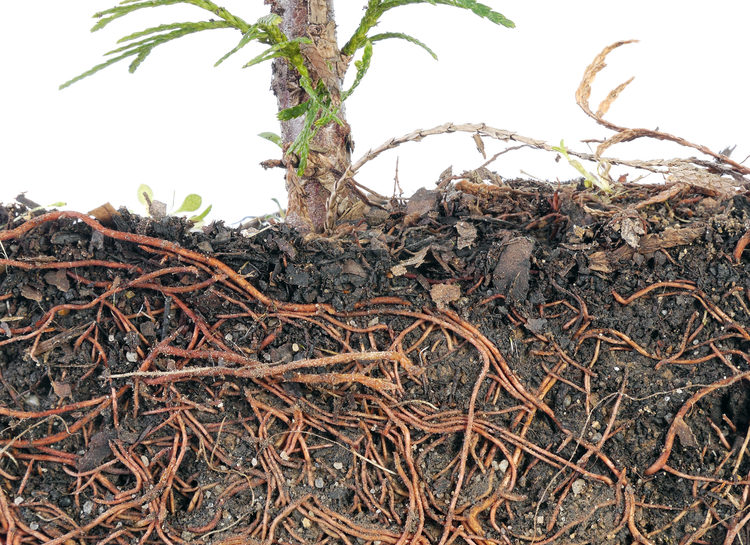
Root rot is caused by oomycetes, often called “water molds.” Interestingly, they’re actually more closely related to algae than to actual fungi. These pests thrive in waterlogged soil. As the name suggests, they cause the roots to literally rot away. Once the roots are gone, the tree can’t take up water or nutrients anymore, which can eventually kill off an entire hedge.
How Do You Spot Root Rot on Your Thuja?
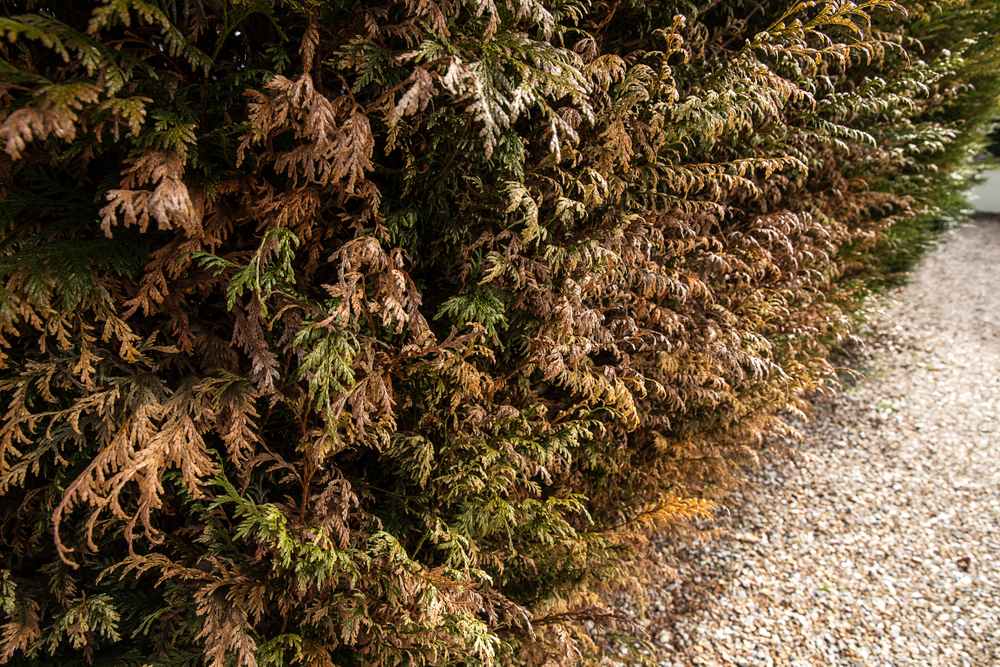
If your Arborvitae is looking a little under the weather, it’s usually a sign that something is off with its care routine. Root rot is almost always the result of soil that’s too compacted or too much water. Potted plants are especially at risk. While other fungal diseases or pests can pop up, rot is a very common culprit. Keep an eye out for these red flags:
- Brown tips
- Brown discoloration on the bark
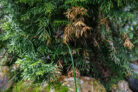
- A dried-out, brittle appearance
- Bark that is peeling or flaking off
Here’s the tricky part: brown needles can also mean the soil is too dry. To be sure, do the finger test—stick your finger into the soil. If it feels soggy or swampy, you’re likely dealing with root rot. If the rot has already spread through most of the root system, the tree usually can’t be saved.
If you suspect rot, your first step is to dig up the entire tree. If the roots look mushy and dark, it’s best to dispose of the plant in the trash—don’t put it in your compost pile, or you might spread the mold! If you want to try a “rescue mission,” you can try cutting away the rotted roots and replanting the tree in fresh, clean soil.
How to Prevent Root Rot in Your Arborvitae
The best way to deal with root rot is to make sure it never shows up in the first place. By setting your hedge up for success from day one, you can keep those roots breathing easy. Here’s what I recommend:
- Pick the right planting spot.
- Use well-draining soil.
- Install a drainage layer (like gravel) if your soil is heavy clay.
- Be mindful with your watering—don’t overdo it!
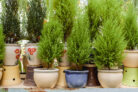
- If you’re growing in pots, skip the saucers so water doesn’t sit at the bottom.