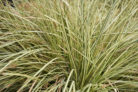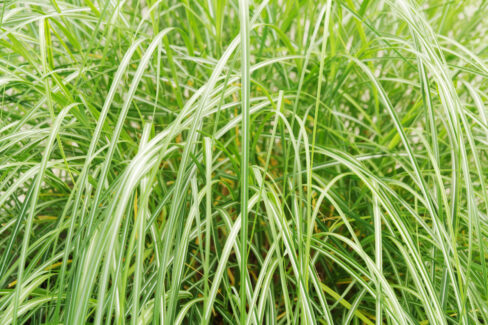
Japanese Sedge is one of those evergreen ornamental grasses that just makes a garden pop. Whether it’s solid green or those cool variegated varieties with white edges, it’s the perfect “filler” to balance out your bright summer blooms. But here’s the big question: when the frost hits and your other perennials start to wilt, how does Japanese Sedge hold up?
Japanese Sedge is Pretty Tough
In its native habitat (and right here in our backyards), this grass—scientifically known as *Carex morrowii*—is actually quite hardy. It can generally handle temperatures down to about -5°F (-20°C). For most of us, that means it’s a reliable permanent resident in the garden. And hey, if you’re not a gardener but love the look, you can even grow it as a houseplant!
Watch Out for Those Leaves
While the plant is likely to survive the winter, there’s a catch. Even though the roots are tucked away safely underground, the leaves are out there braving the elements. The real danger isn’t just the cold; it’s the sun. During a “black frost” (when it’s freezing but there’s no snow cover), the plant can’t pull water from the frozen ground. If the sun is beating down, the leaves lose moisture and end up with freezer burn or drought damage.
To keep your Sedge looking fresh, try these tips:
- Mulch it up: Cover the base with dried leaves, brush, or evergreen branches. This stops the ground from freezing solid too quickly and prevents too much evaporation.
- Natural protection: If you’ve planted your Sedge under deciduous trees, the falling leaves will create a natural warm blanket for you.
- Wait to prune: Don’t cut it back in the fall! Leave the old foliage until spring; those blades actually act as a built-in winter coat for the crown of the plant.
- Don’t forget to hydrate: If the ground isn’t frozen and it’s been a dry winter, give it a little water.
Caring for Potted Japanese Sedge
If your Sedge is living in a container, it’s a bit more sensitive to the cold. The roots are more exposed, so its tolerance drops to about 14°F (-10°C). If you live somewhere with mild winters, you’re probably fine, but otherwise, you’ll need to bundle it up:
- Give it a good trim in the fall.
- Wrap the pot in burlap or heavy-duty garden fleece.
- Move it against a sheltered wall of the house.
- Elevate the pot on a piece of Styrofoam or a thick wooden board to keep it off the freezing pavement.
- Water sparingly on days when it’s not freezing.
- Unwrap your plant friend come April.
Pro Tip: If you’re keeping your Japanese Sedge as a houseplant, frost isn’t an issue. However, the plant still likes a “winter break.” To give it a proper rest period, try to keep it in a cooler room (around 60°F or 16°C) during the winter months.