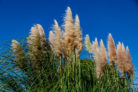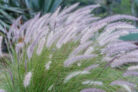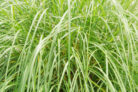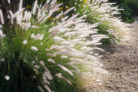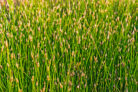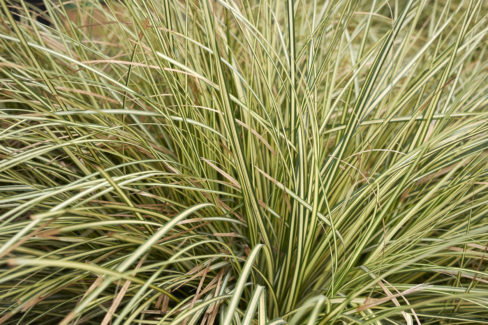
Sedges (scientifically known as *Carex*) are those versatile ornamental grasses you’ll find growing naturally in temperate zones all over the globe. With about 2,200 species out there, they are a staple in many of our backyards. But when it comes to maintenance, sedges play by their own set of rules compared to other ornamental grasses.
No regular pruning required
While grasses like Feather Reed Grass really need a good haircut in early spring to thrive, sedges are much more low-maintenance. Generally speaking, they’ll grow lush and beautiful even if you don’t prune them to stimulate new growth. However, there are a few situations where breaking out the shears is actually a good idea.
Reasons to give your sedge a trim
There are several reasons why you might want to cut back your sedge. It usually comes down to plant health—like dealing with pests or diseases—or simply keeping things looking tidy. You should consider a trim if:
- Your sedge has simply gotten too big for its space.
- The shape is looking a bit wild and doesn’t fit your garden’s aesthetic anymore.
- The leaves are looking “tattered” or messy.
- The blades have suffered “freezer burn” (damage from frost combined with bright winter sun).
- You notice signs of disease or a pest infestation on parts of the plant.
Spring is the best time to prune
If you do decide to prune, sedges handle it best in the springtime. When you’re ready to cut, make sure to leave at least two inches (about five centimeters) of the blades intact. The easiest way to get a clean look is to grab the grass in bundles before you snip.
One pro tip: always wear a sturdy pair of gardening gloves! Sedge leaves can be surprisingly sharp, and “grass cuts” are no fun. As long as the trimmings are healthy and pest-free, you can toss them right into your compost pile.