In Asian-inspired gardens, trees are much more than just landscaping—they are powerful symbols of life and essential structural elements. If you’re looking to bring some Zen vibes to your backyard, I’ve rounded up the seven most popular Japanese trees, plus a little “insider tip” for a stunning garden addition.
[[pflanzen]]
++Ginkgo (Ginkgo biloba)
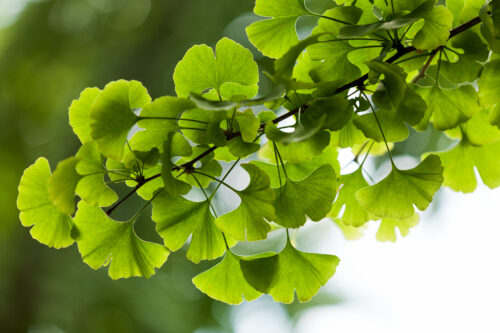
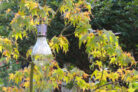
In the Land of the Rising Sun, the Ginkgo is a symbol of peace, longevity, and togetherness. This slender, upright giant is a true “living fossil”—it was thriving in forests over 180 million years ago! What makes the Ginkgo so special are its beautiful, light green fan-shaped leaves. Come fall, they turn a brilliant, buttery yellow that makes the whole tree look like it’s glowing. The best part? A Ginkgo tree is incredibly low-maintenance. Once it’s planted, just give it a little mulch around the base and let it do its thing.
++Japanese Maple (Acer japonicum ‘Aconitifolium’)
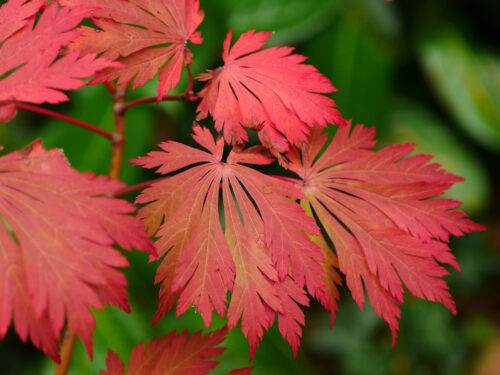
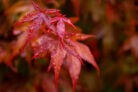
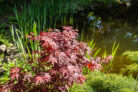
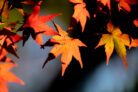
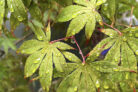
With its picturesque shape and fiery fall colors ranging from golden yellow to deep crimson, the Japanese Maple is a superstar in the ornamental garden. The delicate, lacy foliage is deeply lobed, giving it a very elegant look. In early May, you’ll spot tiny red or purple flowers, which eventually turn into those fun little “helicopter” seeds (samaras) in the summer. Because it grows slowly and stays relatively compact, it’s a perfect choice for smaller yards or patio gardens.
++Japanese Flowering Cherry (Prunus serrulata)
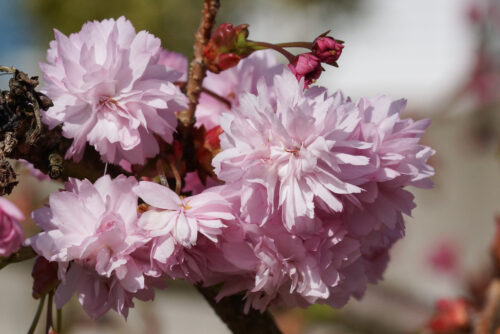
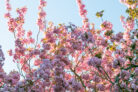
The cherry blossom festival (hanami) is a massive tradition in Japan, where the blossoms (sakura) represent pure, simple beauty. Depending on the variety, these trees can reach up to 80 feet tall, growing in column-like, rounded, or cone shapes. From April to May—usually before the leaves even appear—the tree explodes in a cloud of pink or white blossoms. While they do produce small, black stone fruits that are technically edible, they aren’t very flavorful—these trees are definitely grown for their looks!
++Japanese Azalea (Rhododendron japonicum)
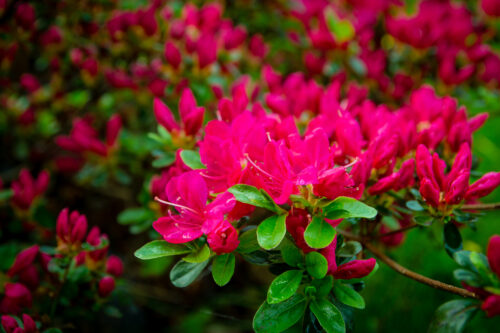
These hardy, low-growing shrubs look a lot like the azaleas you see in flower shops, but they are tough enough for the garden. Reaching about five feet in height, they develop dense, wide crowns. In the spring, they are absolutely covered in blooms—white, pink, red, or violet. While they drop their larger oval leaves in the fall (after they turn a nice reddish-brown), they are actually considered semi-evergreen because they keep a few smaller green leaves throughout the winter.
++Pine (Pinus)
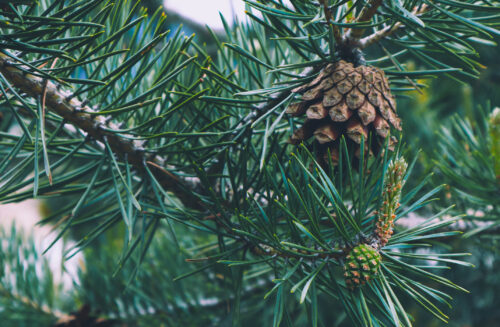
In a Japanese garden, pines represent endurance and constancy. You’ll often see Lacebark pines, Dwarf pines, or Mountain pines used in these designs. These evergreens are incredibly hardy and require very little upkeep. Their long needles grow in whorls along the branches and stay green for two to three years before being replaced by new growth.
++Garden Bonsai
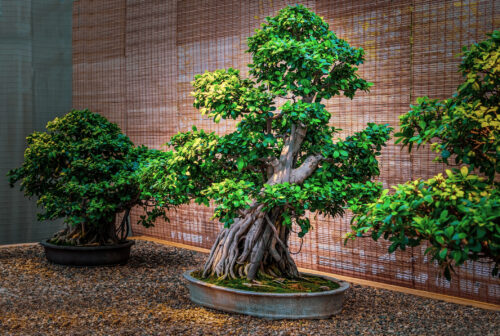
Bonsai is the heart of Japanese garden art. These aren’t just “small trees”; they are carefully pruned and shaped over years, often grown in large ornamental containers. Many classic Japanese species like conifers, junipers, maples, and azaleas are styled this way. In a landscape, a “Niwaki” (garden bonsai) is usually placed in a prominent spot where it can serve as a stunning focal point and bring that instant Asian flair to your green space.
++Bamboo (Bambusoideae)
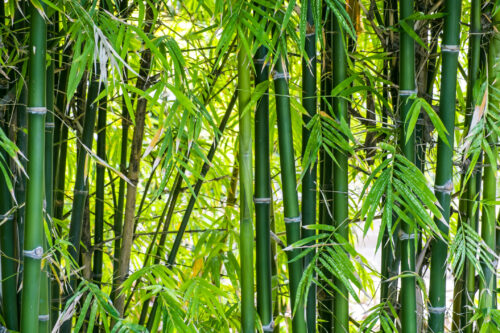
Bamboo is incredibly versatile and makes a fantastic evergreen privacy screen. Umbrella bamboo (Fargesia murielae) is a popular choice that hits about six feet, while the more vigorous Phyllostachys can soar up to 30 feet. Just a heads-up: unless you’re planting a “clumping” variety, you’ll definitely want to install a sturdy root barrier (rhizome barrier) to keep it from taking over your entire neighborhood!
%%Cherry Plum (Prunus cerasifera ‘Nigra’)
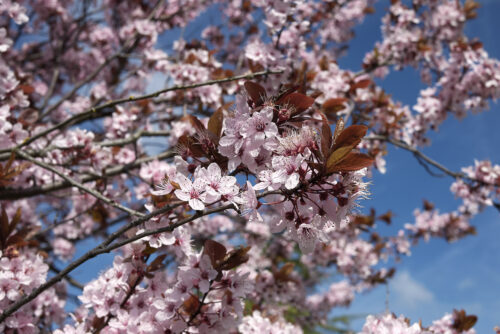
Here is my secret tip: The Cherry Plum (specifically the ‘Nigra’ variety). It features stunning dark, reddish-brown foliage with a metallic shimmer. It’s a slow grower that reaches about 20 feet, eventually forming a lovely rounded crown. In mid-March, it’s one of the first to bloom with delicate pink flowers that smell amazing and attract tons of bees. By July, you’ll get cherry-sized fruits that are wonderfully sweet—perfect for eating fresh or turning into homemade jam!