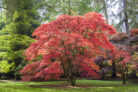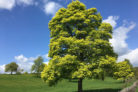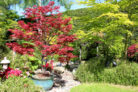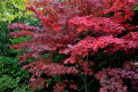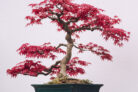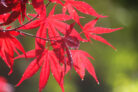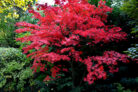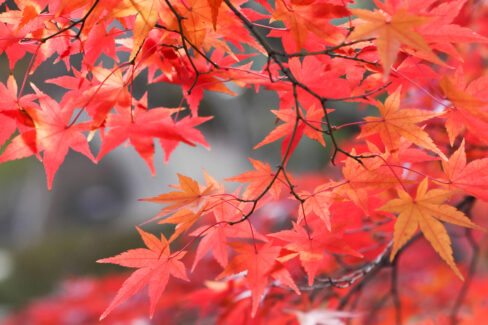
Whether you’re eyeing the vibrant Red Japanese Maple or the classic Green variety, these trees are absolute showstoppers. Between their delicate leaf shapes and those jaw-dropping colors, they’re a dream for any backyard. If you get them off to a good start with the right planting, you’ll be rewarded with a stunning canopy for years to come. Let’s dive into everything you need to know about how these beauties grow.
Origins and Botanical Background
The Japanese Maple, as the name suggests, hails from the mountain regions of Japan. Because it’s used to those higher elevations, it’s actually quite hardy and can handle cooler temperatures just fine. Thanks to its elegant silhouette, it’s become a favorite for landscaping in private gardens and public parks all over the world.
- Botanical Name: Acer palmatum
- Common Names: Japanese Maple, Fan Maple
- Plant Family: Sapindaceae (Soapberry family)
- Native Regions: Japan and China
Growth and Size
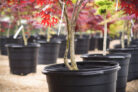
Don’t be surprised if your Japanese Maple seems a little “sleepy” at first; they grow pretty slowly during their first few years. During this time, the tree is putting all its energy into establishing a strong root system. Since they don’t reach massive heights in our climate, they are actually perfect candidates for container gardening. Just keep in mind that if you go the pot route, you’ll need to stay on top of your game and fertilize your Japanese Maple correctly.
- Height: Can reach 50 feet in the wild in Japan, but usually stays much smaller in home gardens
- Width: Typically spreads out about 10 to 13 feet
- Container Planting: Works great!
- Bonsai: A very popular choice for bonsai enthusiasts
The Perfect Spot for Your Tree
Finding the right location is key. These trees love sunlight, and the red varieties specifically need plenty of light to develop that deep, iconic color. However, “sunny” doesn’t mean “scorched”—they appreciate a bit of protection from the harshest afternoon heat. As for the soil, they like it consistently moist but definitely not soggy.
- Light: Full sun to partial shade
- Soil: Well-draining soil is a must
- pH Level: Prefers neutral to slightly acidic soil
Leaves, Blooms, and Seeds
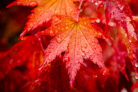
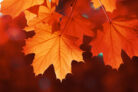
The real star of the show is the foliage. Depending on the variety, the leaves can be deeply lobed or delicately “lacy.” In the spring (usually May or June), the tree produces small flowers, followed by those classic winged seeds we all loved as kids. If you’re looking to grow your collection, the best way to propagate them is usually through cuttings.
- Leaves: Lobed or dissected, growing up to 8 inches long
- Blooms: Appear between May and June
- Seeds: Equipped with little “wings” that help them catch the breeze